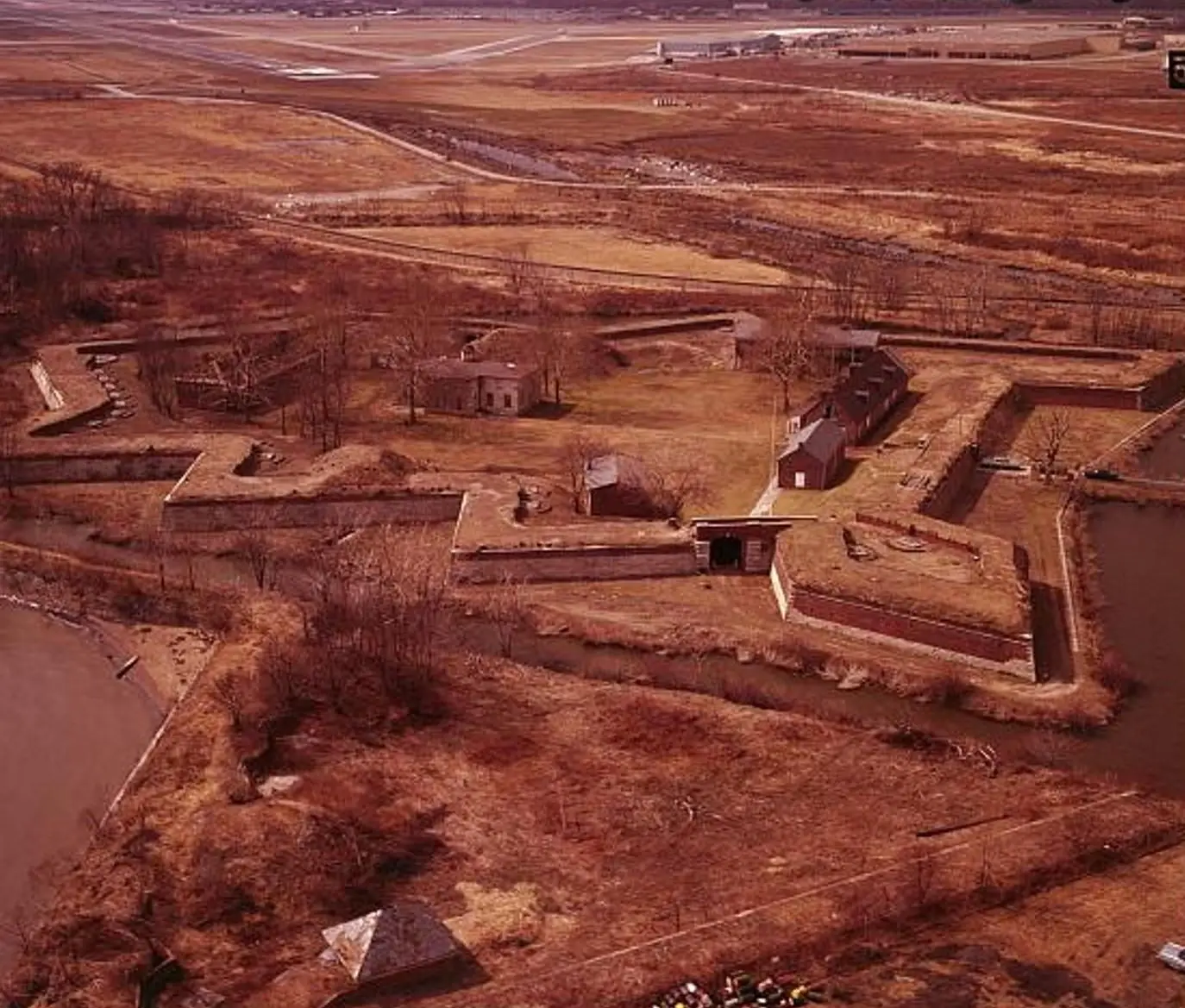
Fort · Philadelphia, PA
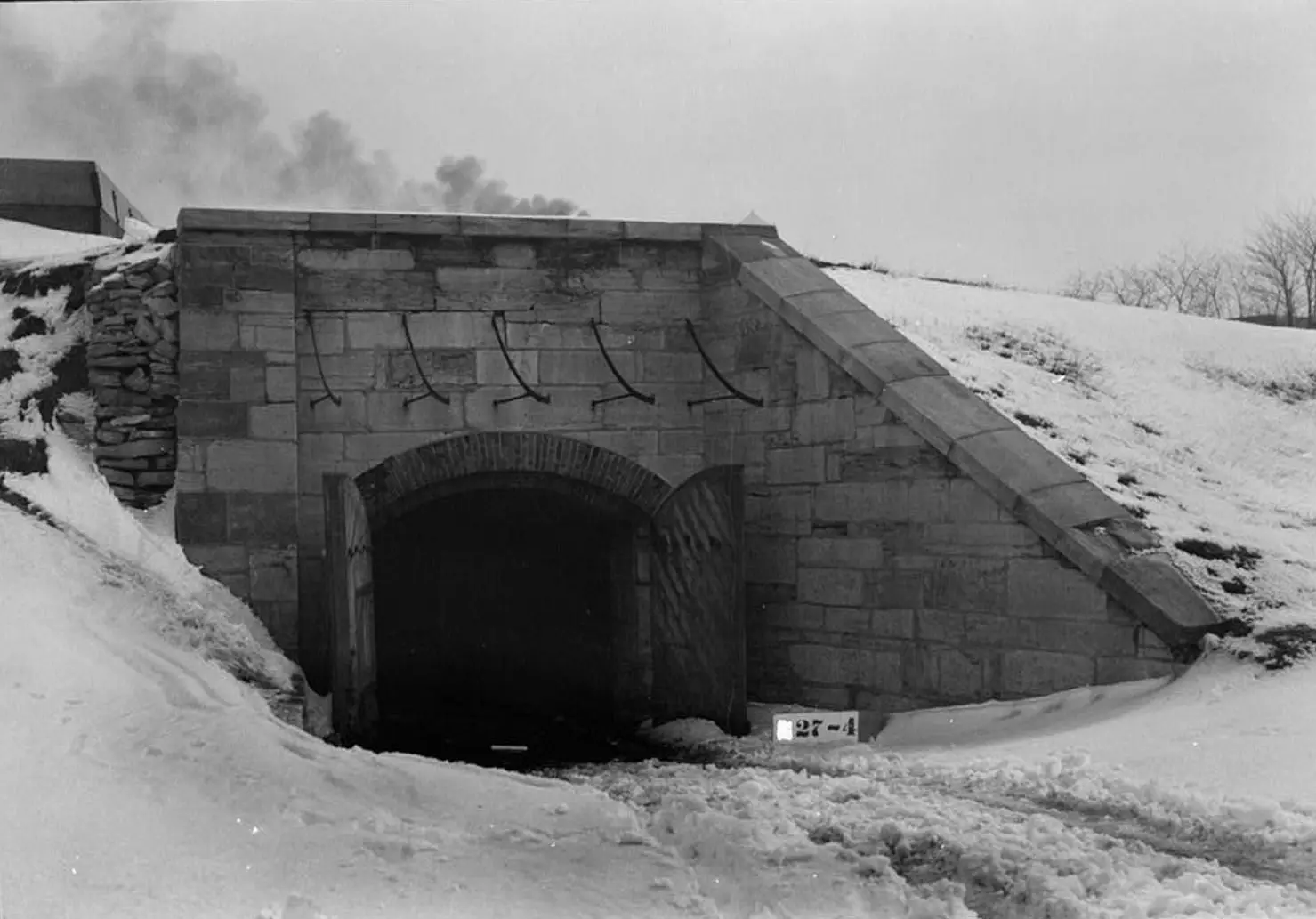
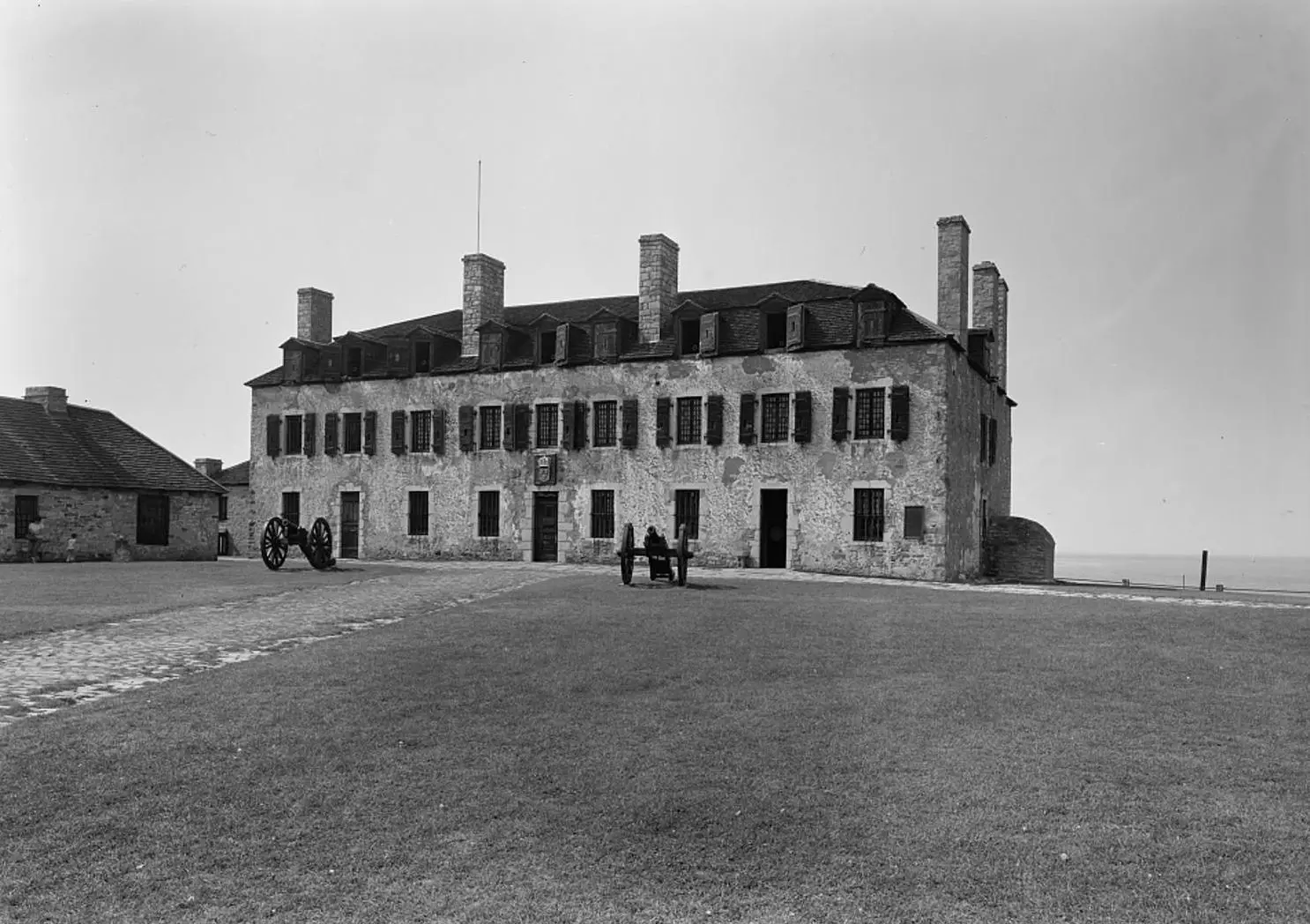
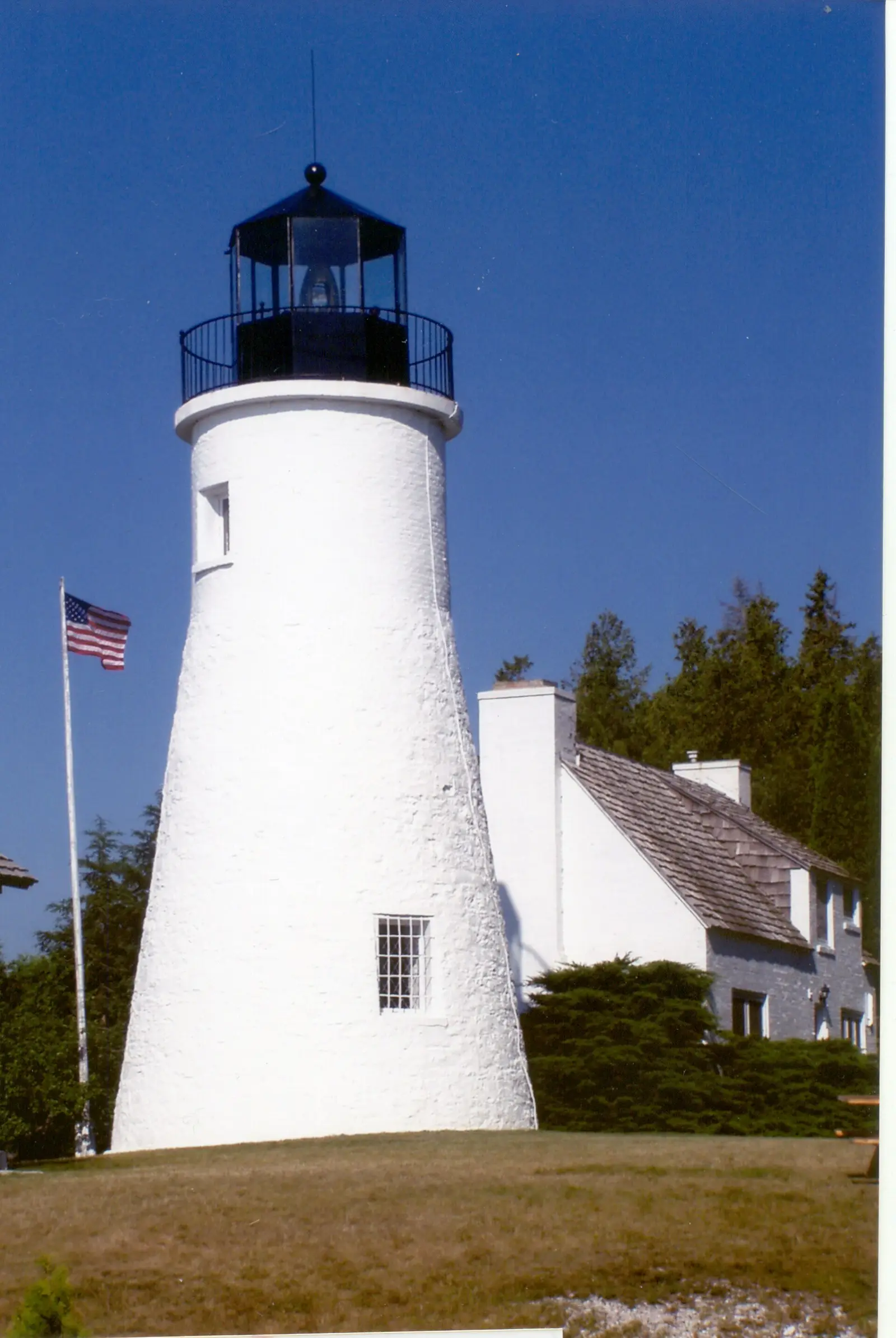
Fort Mifflin
More named witnesses than most sites: voices, footsteps and cold spots inside a Revolutionary War fort.
Well DocumentedOpen to visitors
6 reported accounts · 8 sources
Researched museums, the stories told about them and the accounts behind those stories, from across the United States.
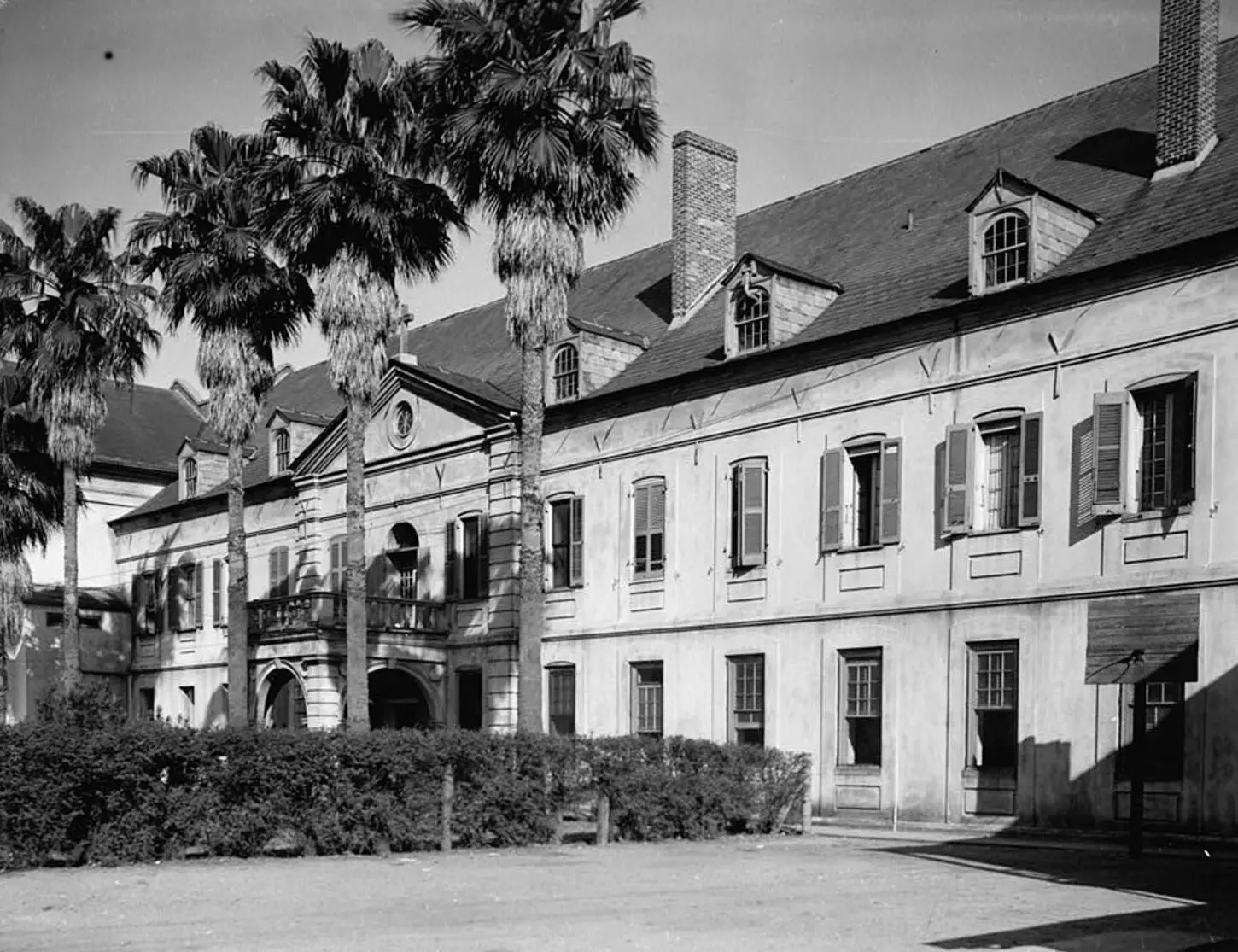
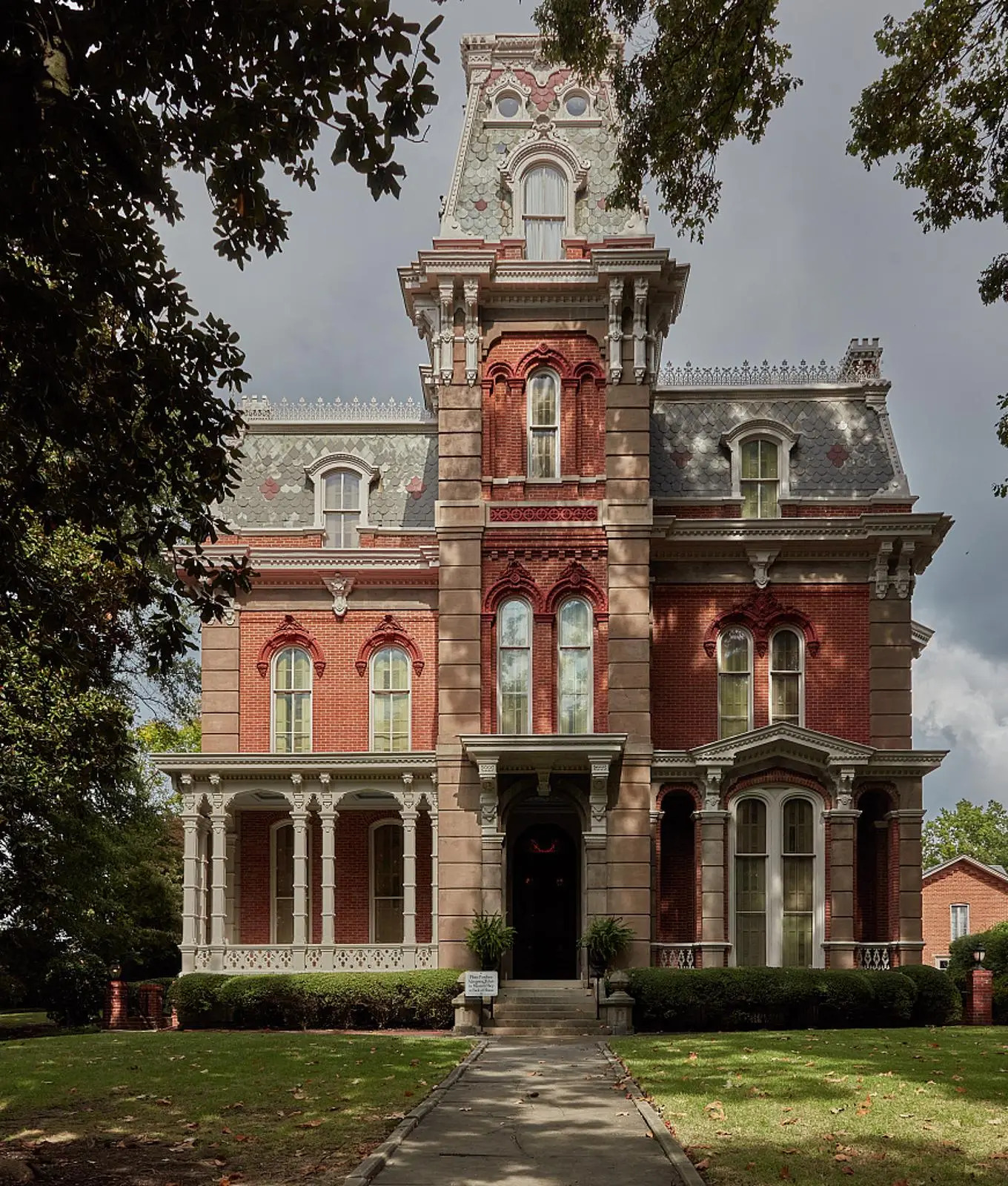
Photo: Old Court House Museum, Vicksburg, Mississippi, Carol M. Highsmith, Library of Congress
49 of the 80 museums we have researched have at least one traceable published or first-hand account of an experience (3 well documented). The other 31 rest on legend, retellings or unnamed reports so far.
We rate the reports, not the ghosts.
Our ratings assess the source and traceability of the accounts, not whether a place is genuinely haunted. How we rate
Fort · Philadelphia, PA
More named witnesses than most sites: voices, footsteps and cold spots inside a Revolutionary War fort.
6 reported accounts · 8 sources
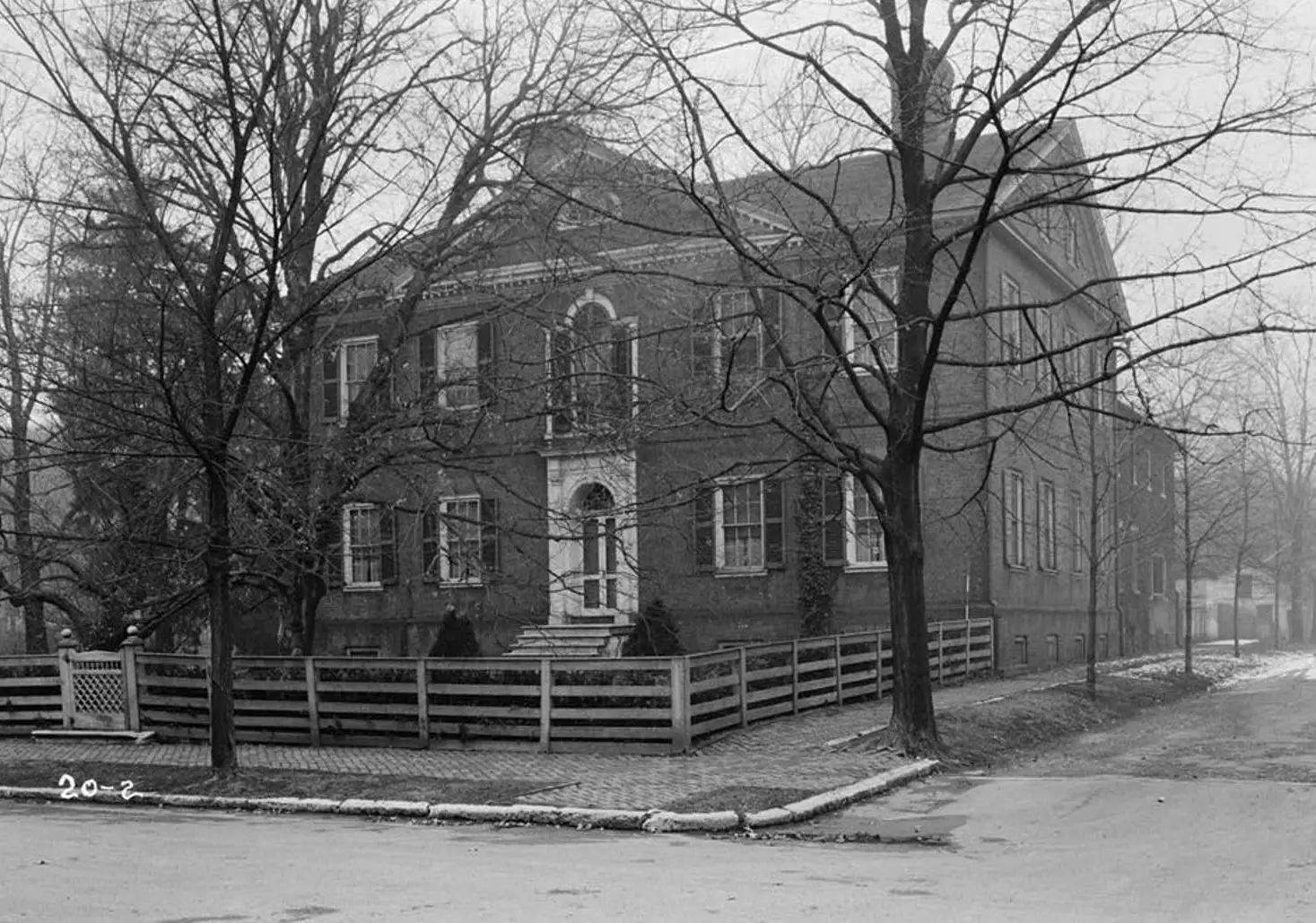
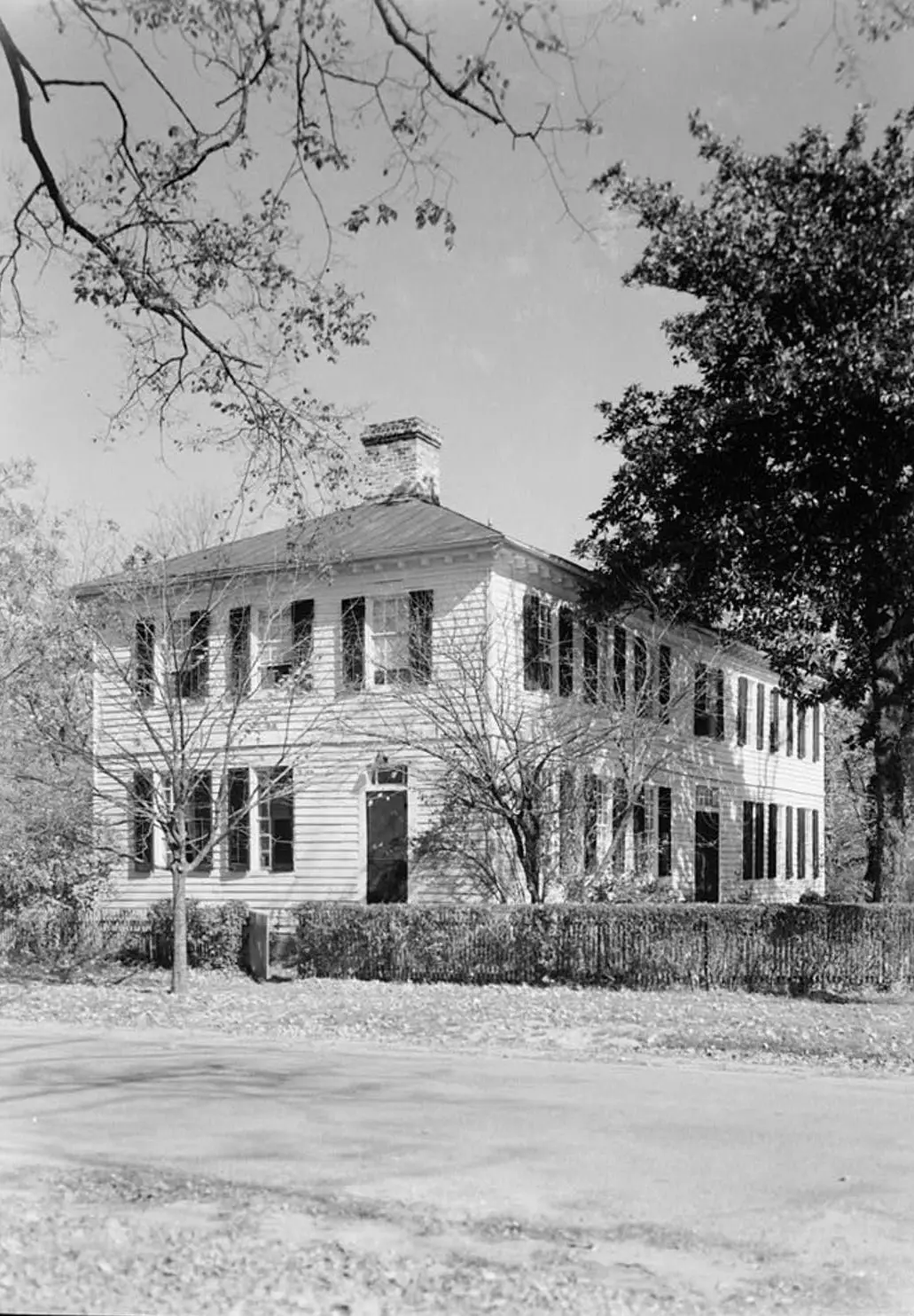
Historic house · Frankfort, KY
Liberty Hall in Frankfort is the Federal-style home Senator John Brown built from 1796, now a museum.
5 reported accounts · 9 sources
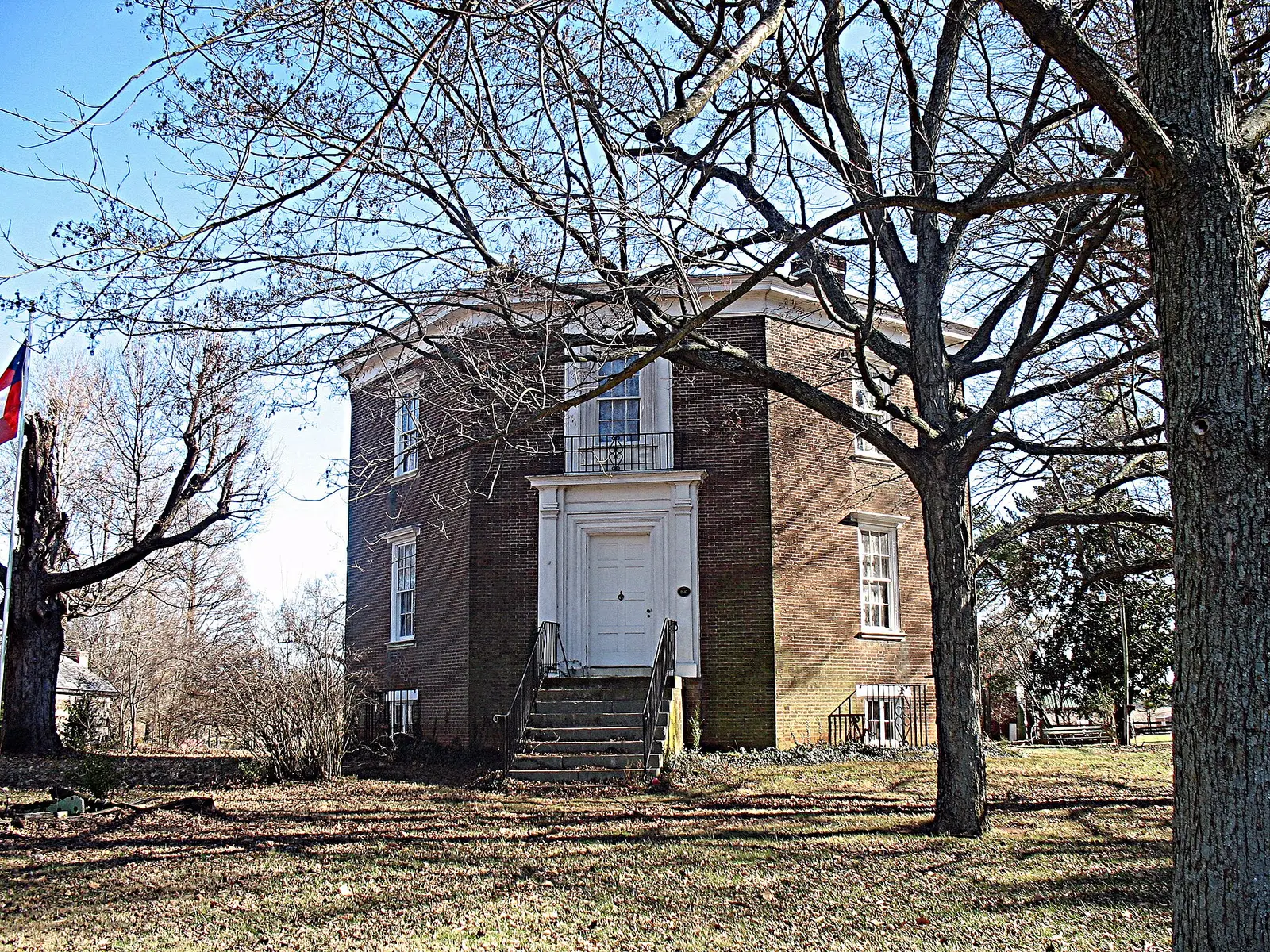
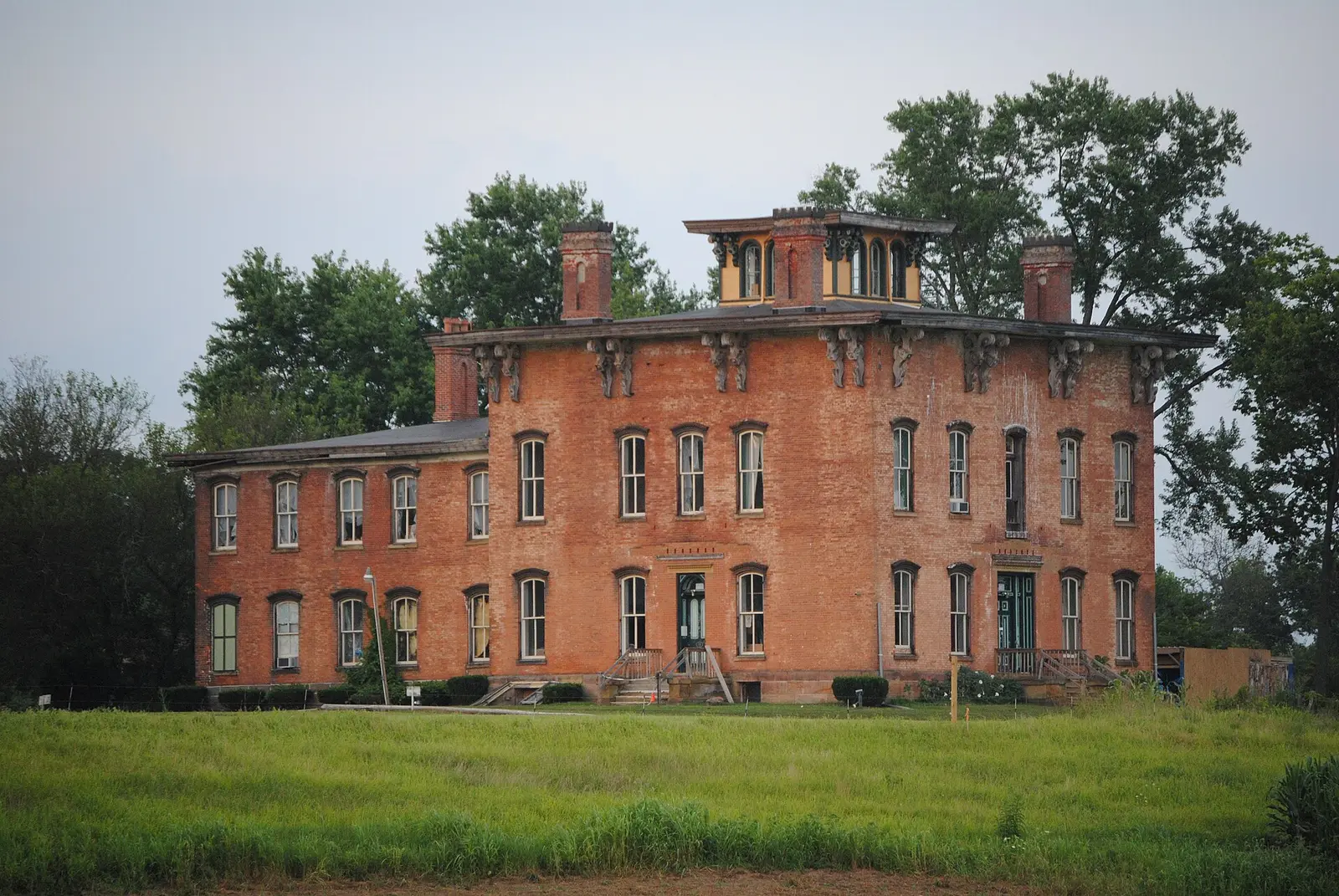
Historic house · Franklin, KY
Octagon Hall is a rare eight-sided brick house north of Franklin, Kentucky, built in the mid-19th century by Andrew Jackson Caldwell with the labor of people he enslaved.
3 reported accounts · 10 sources
Browse every researched museum and related place.
80 places
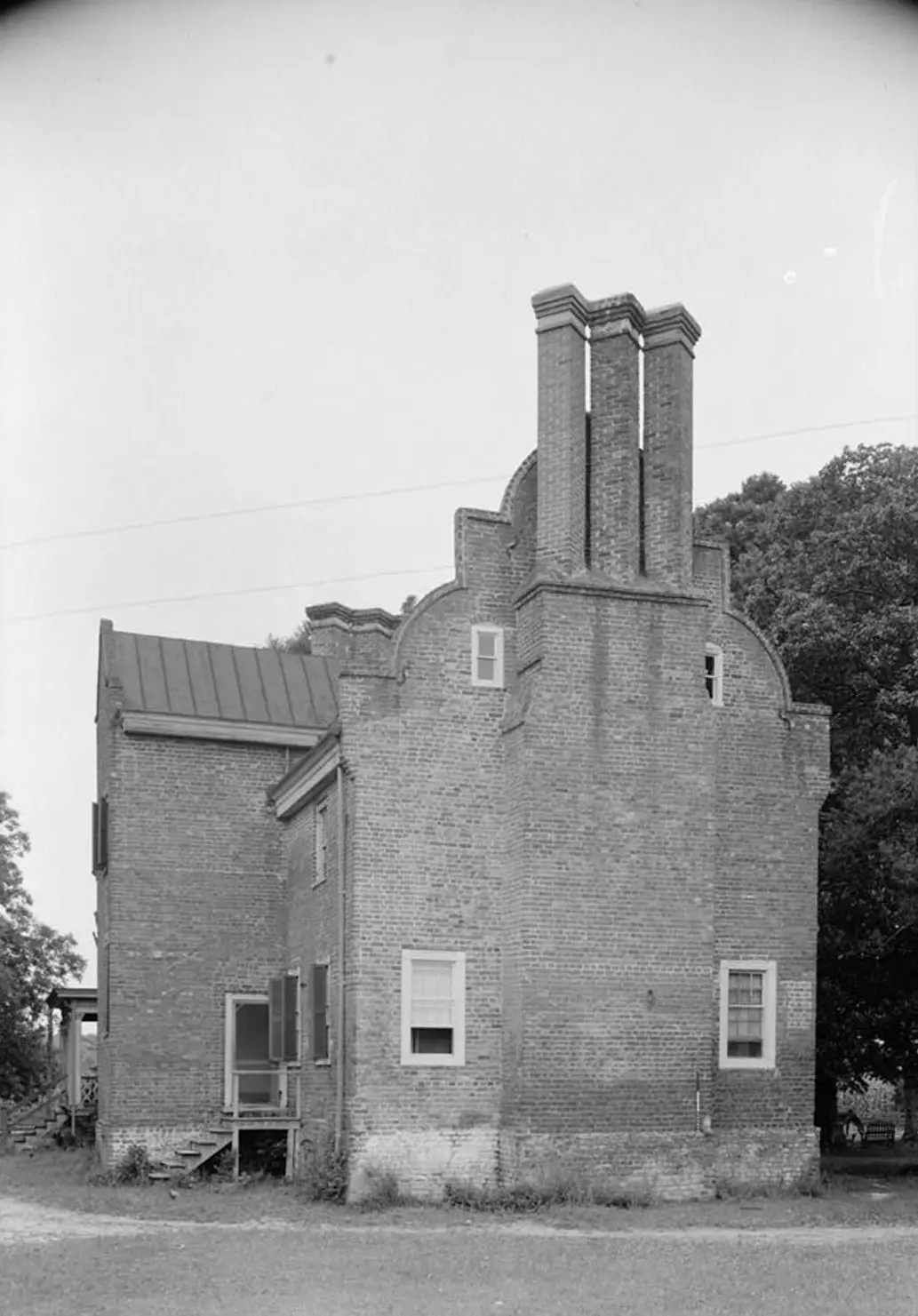
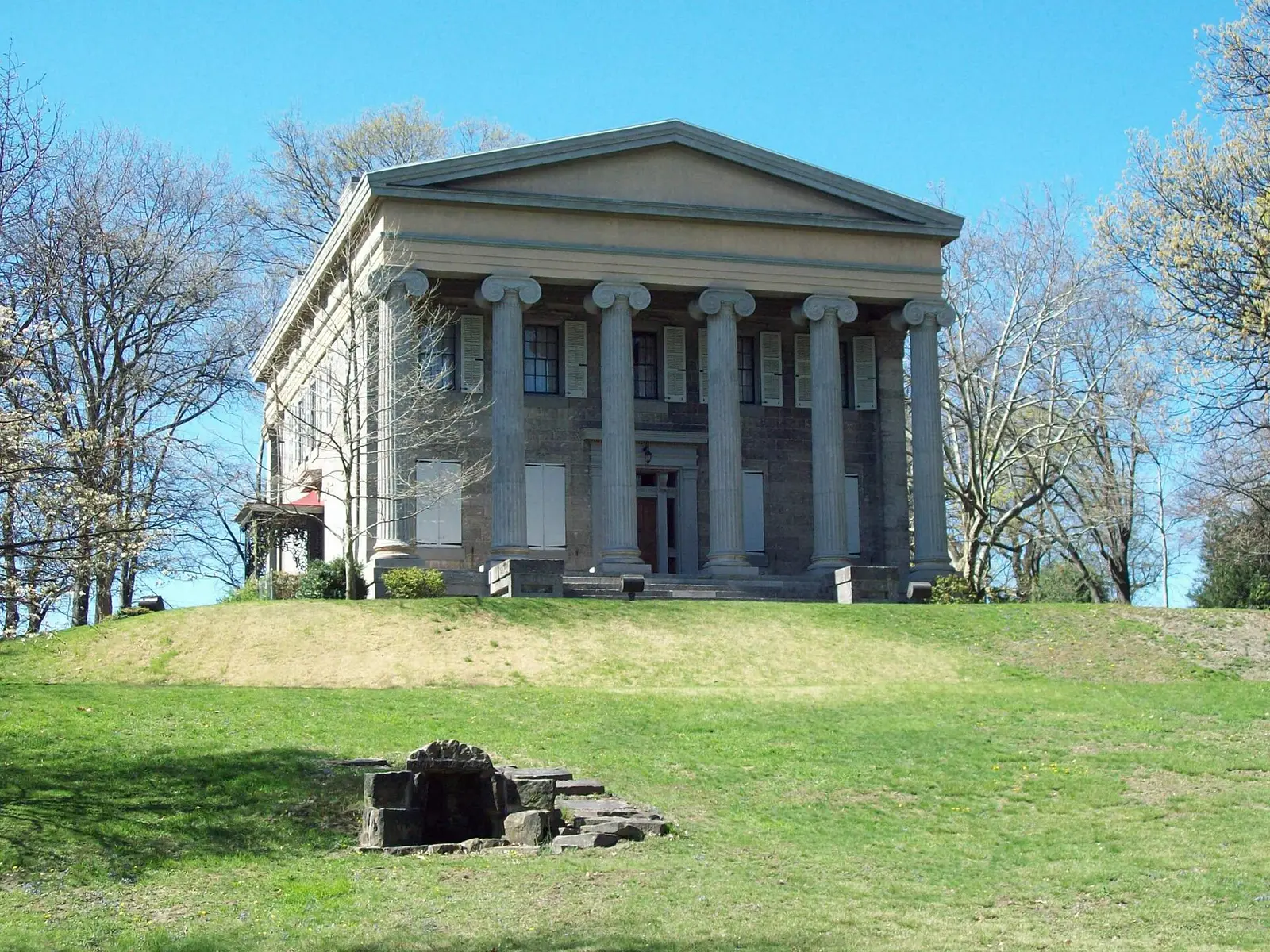
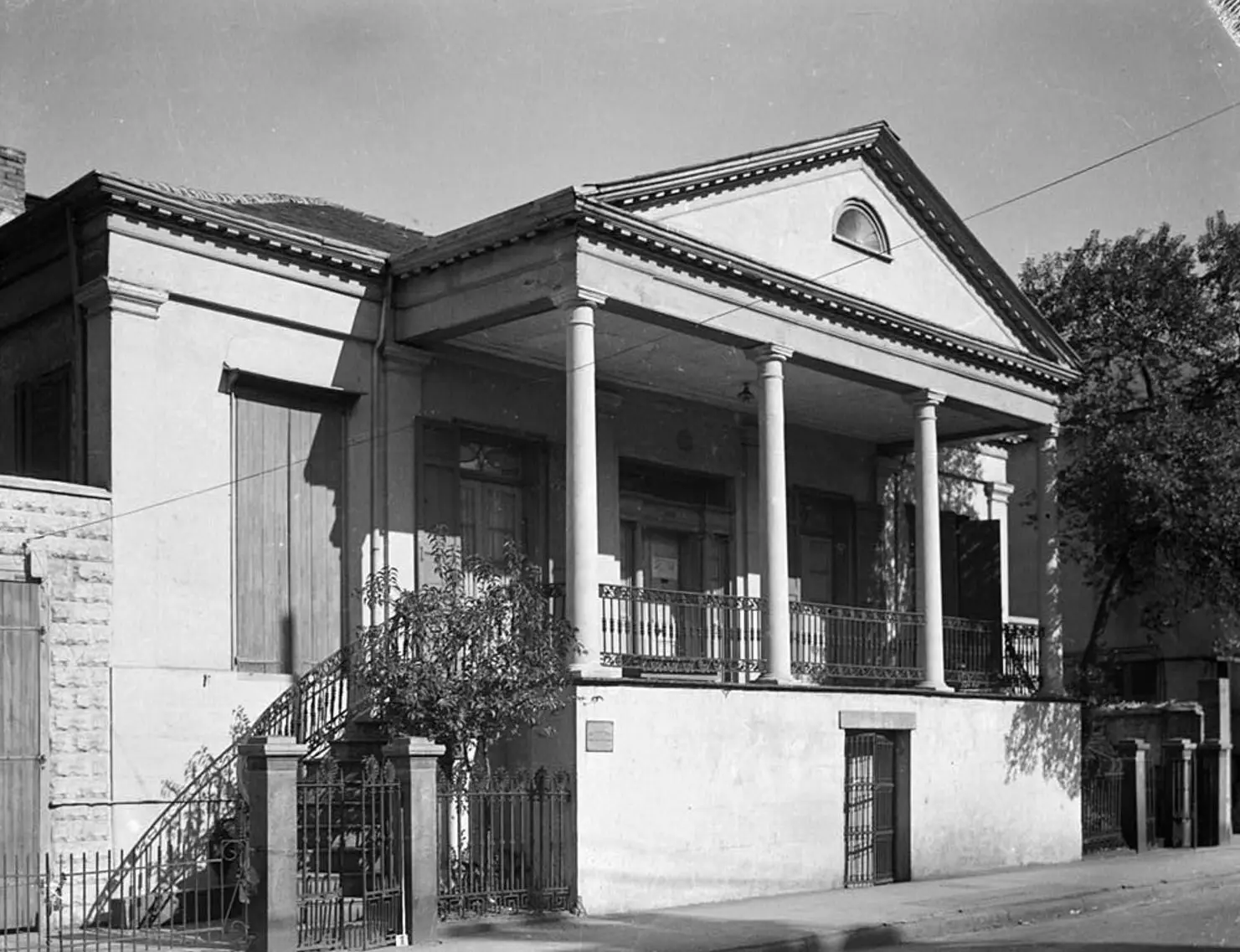
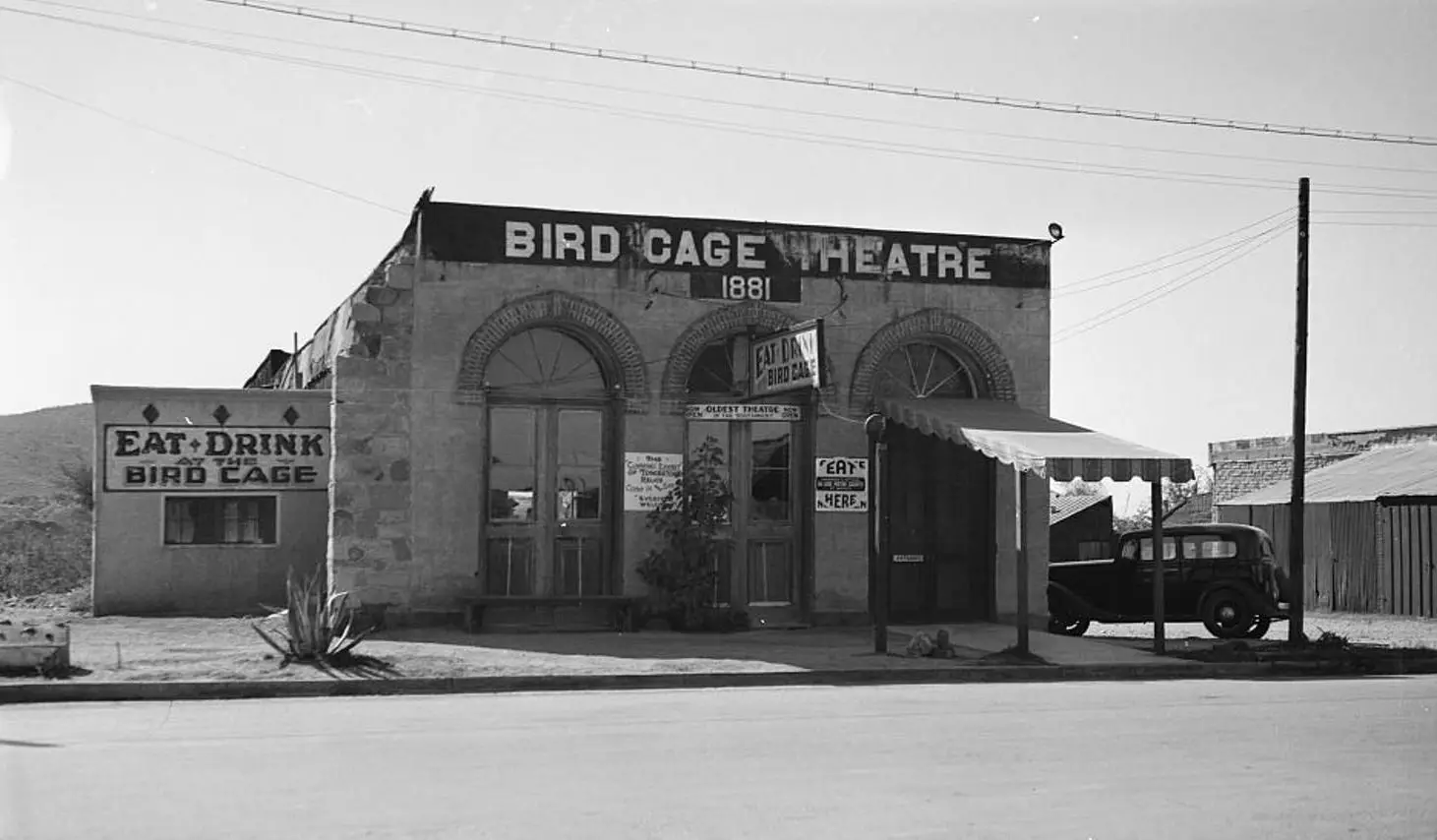
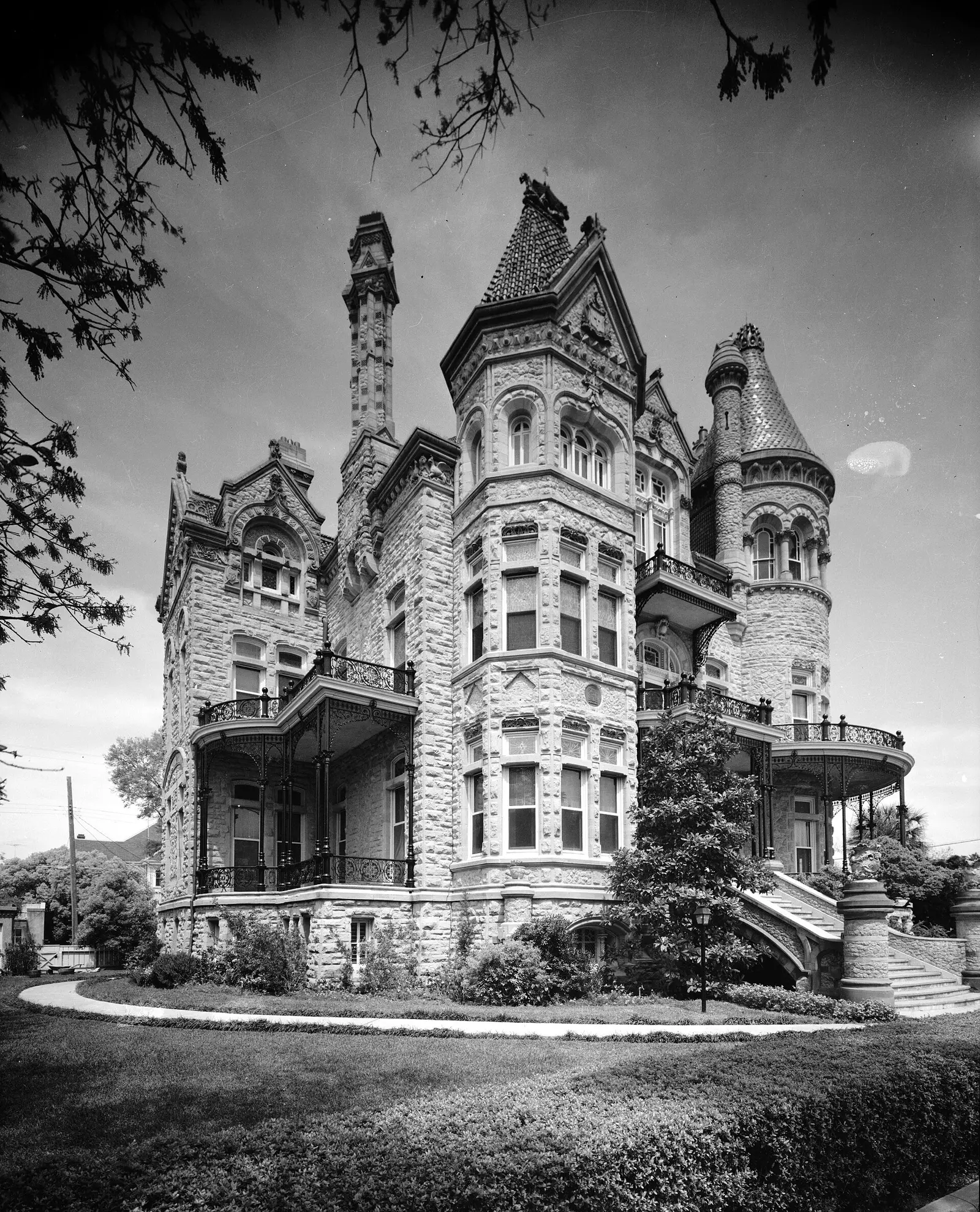
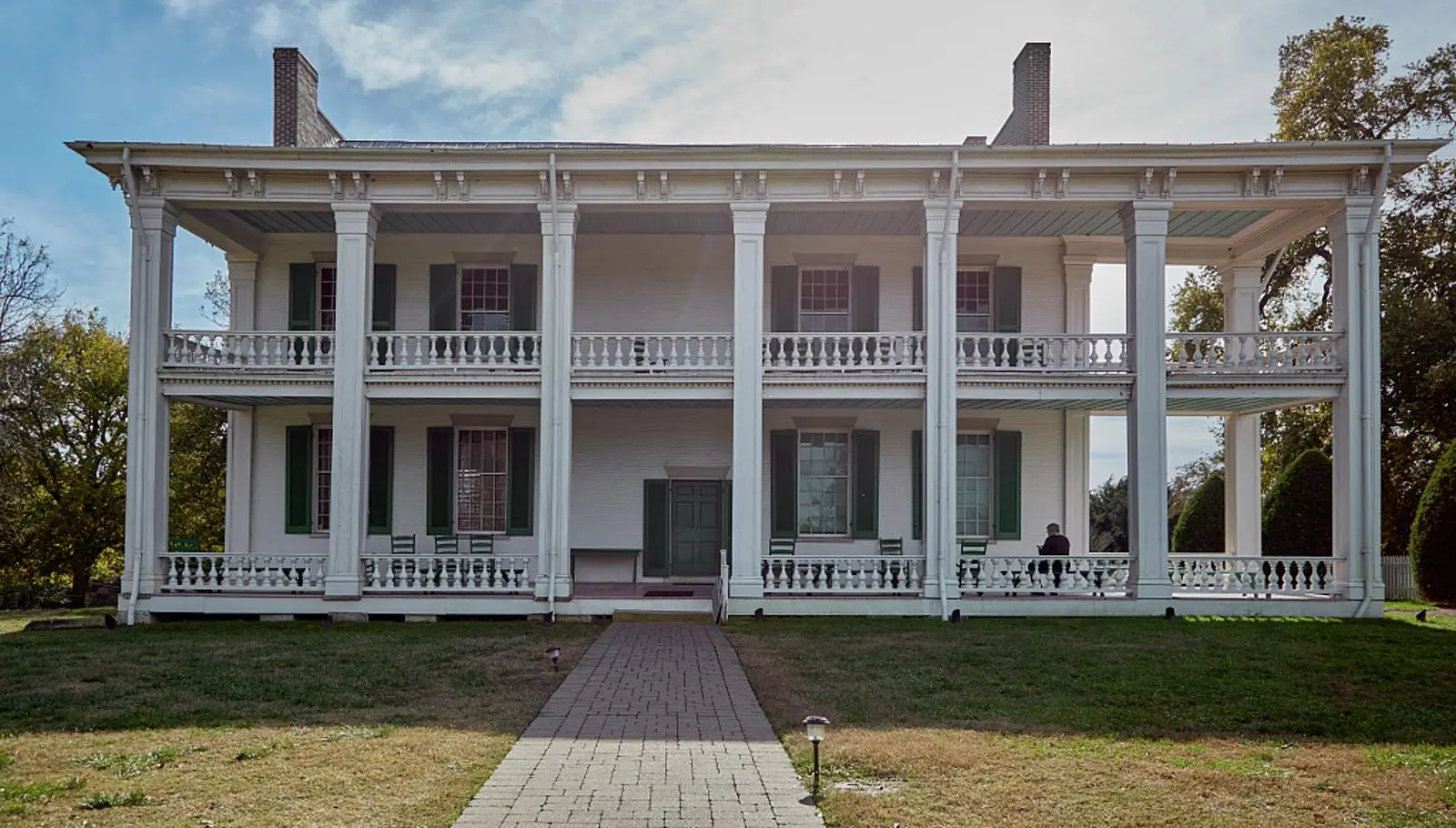
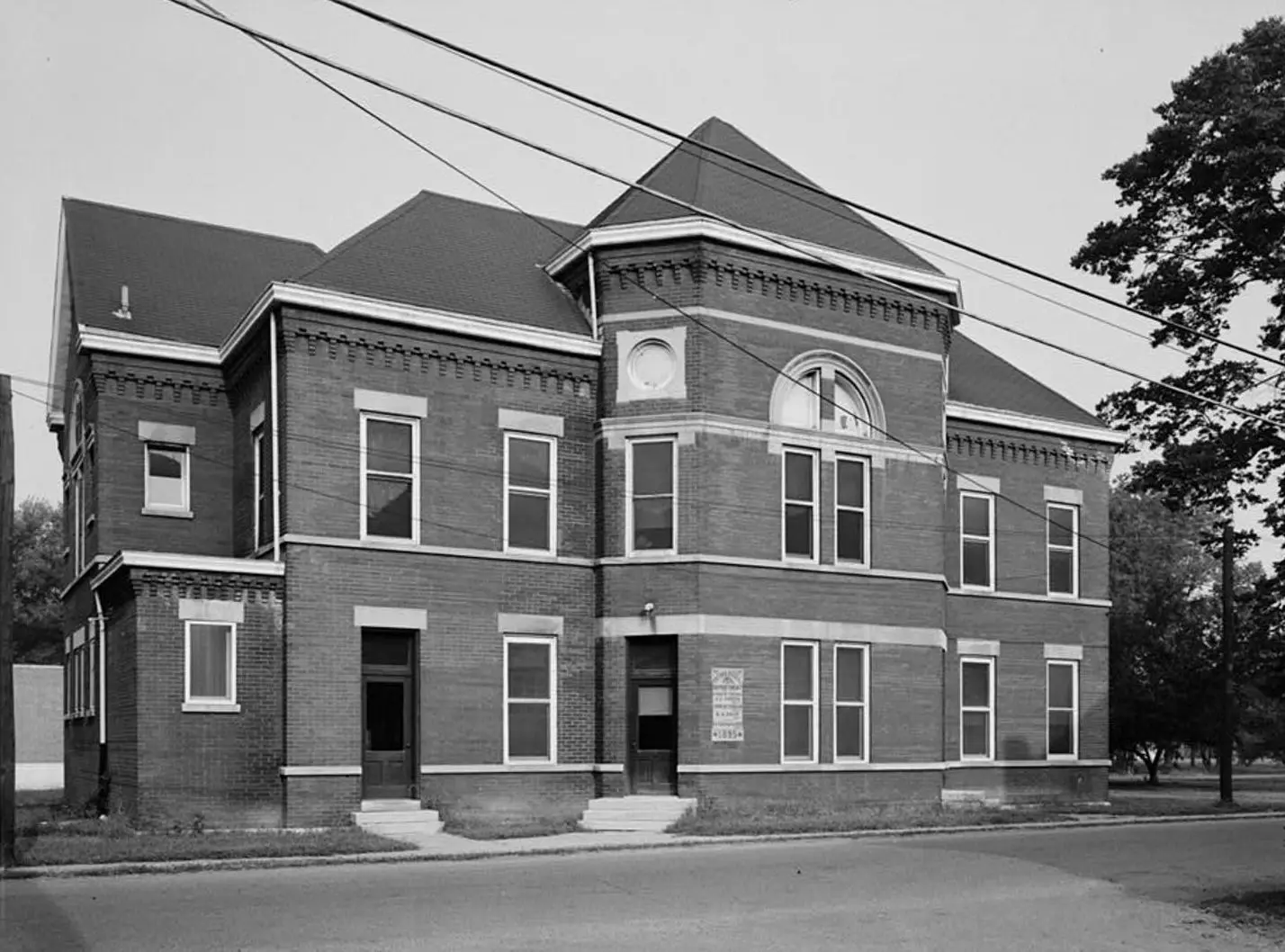
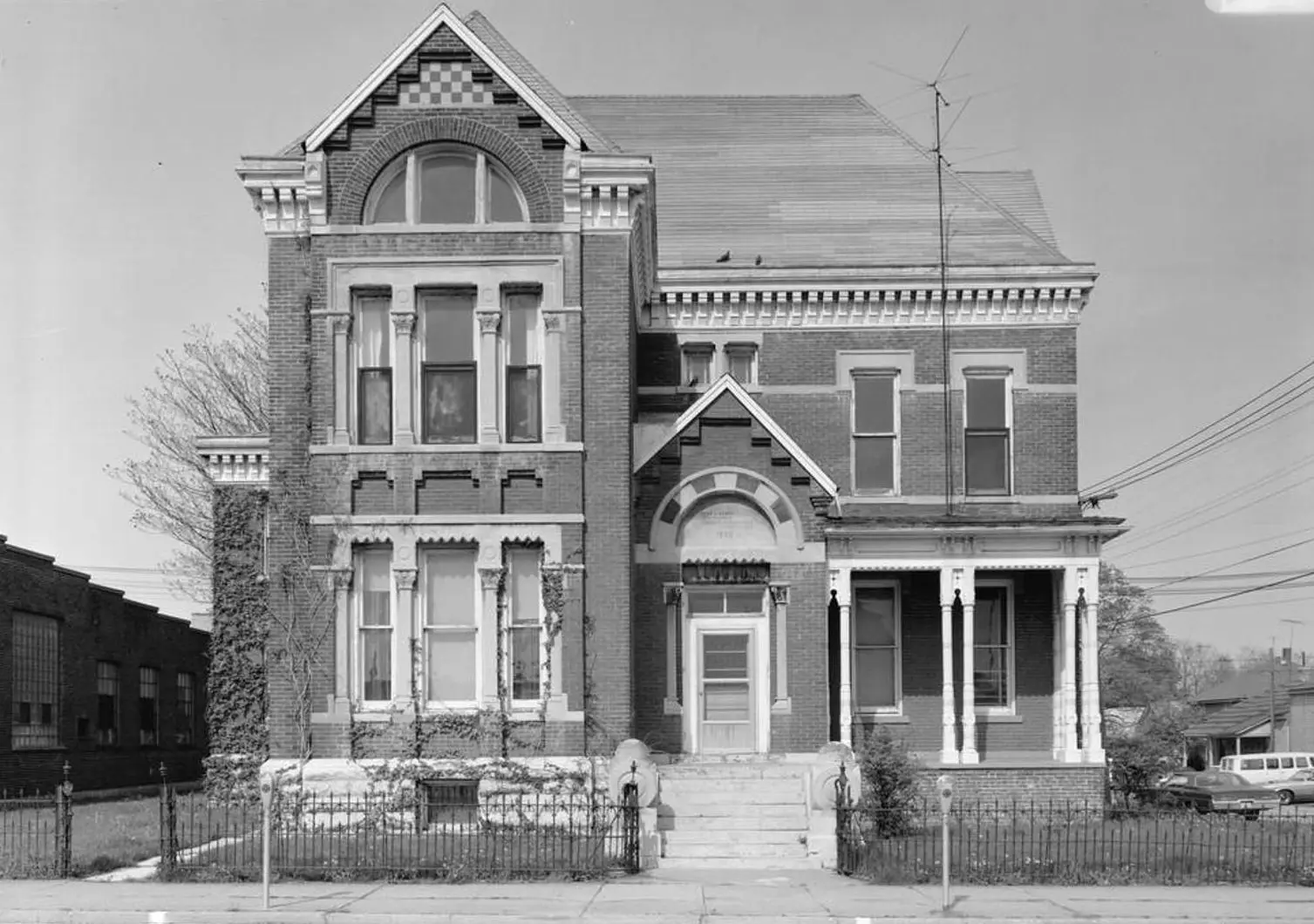
Indianapolis, IN
Former asylum · Tours only
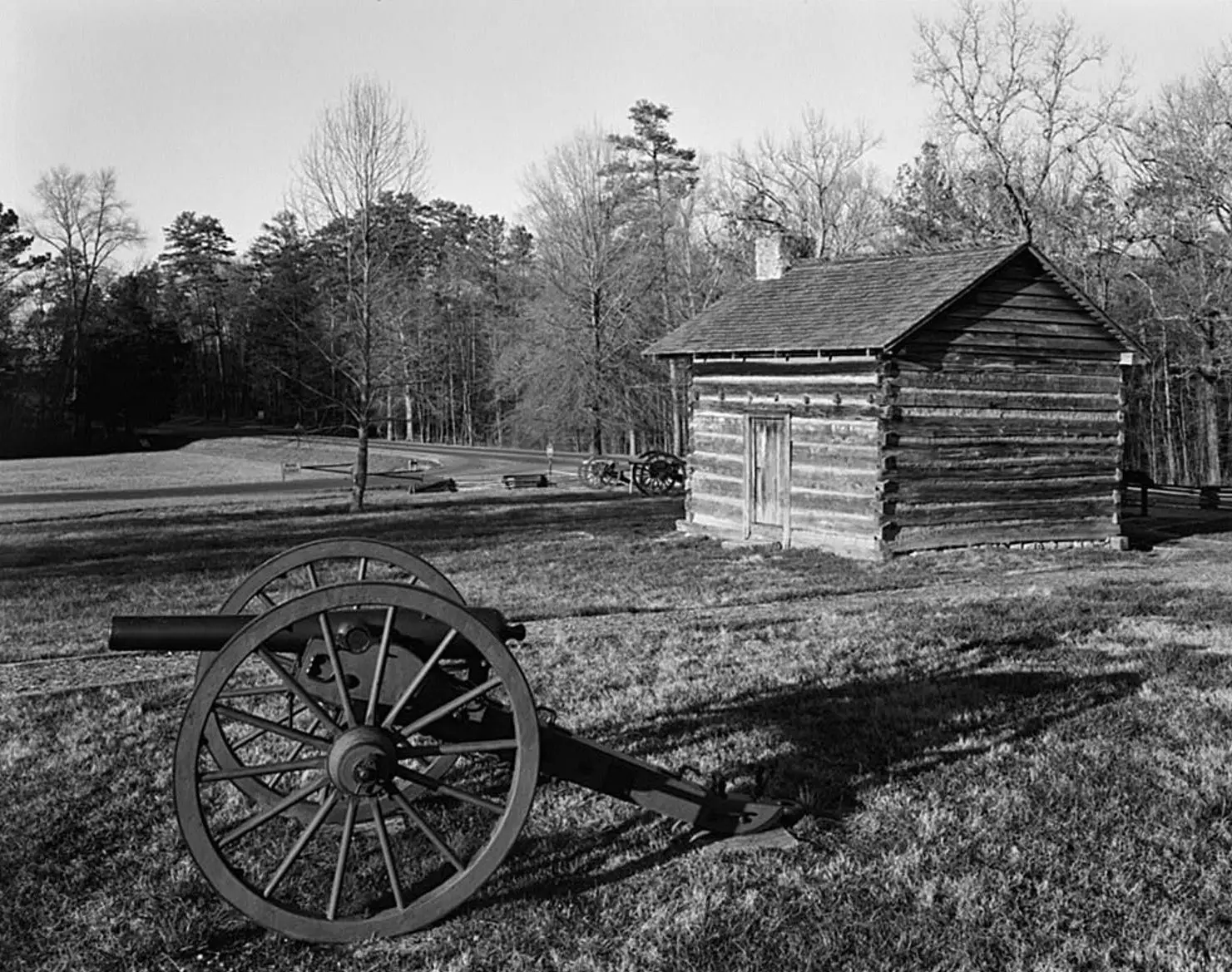
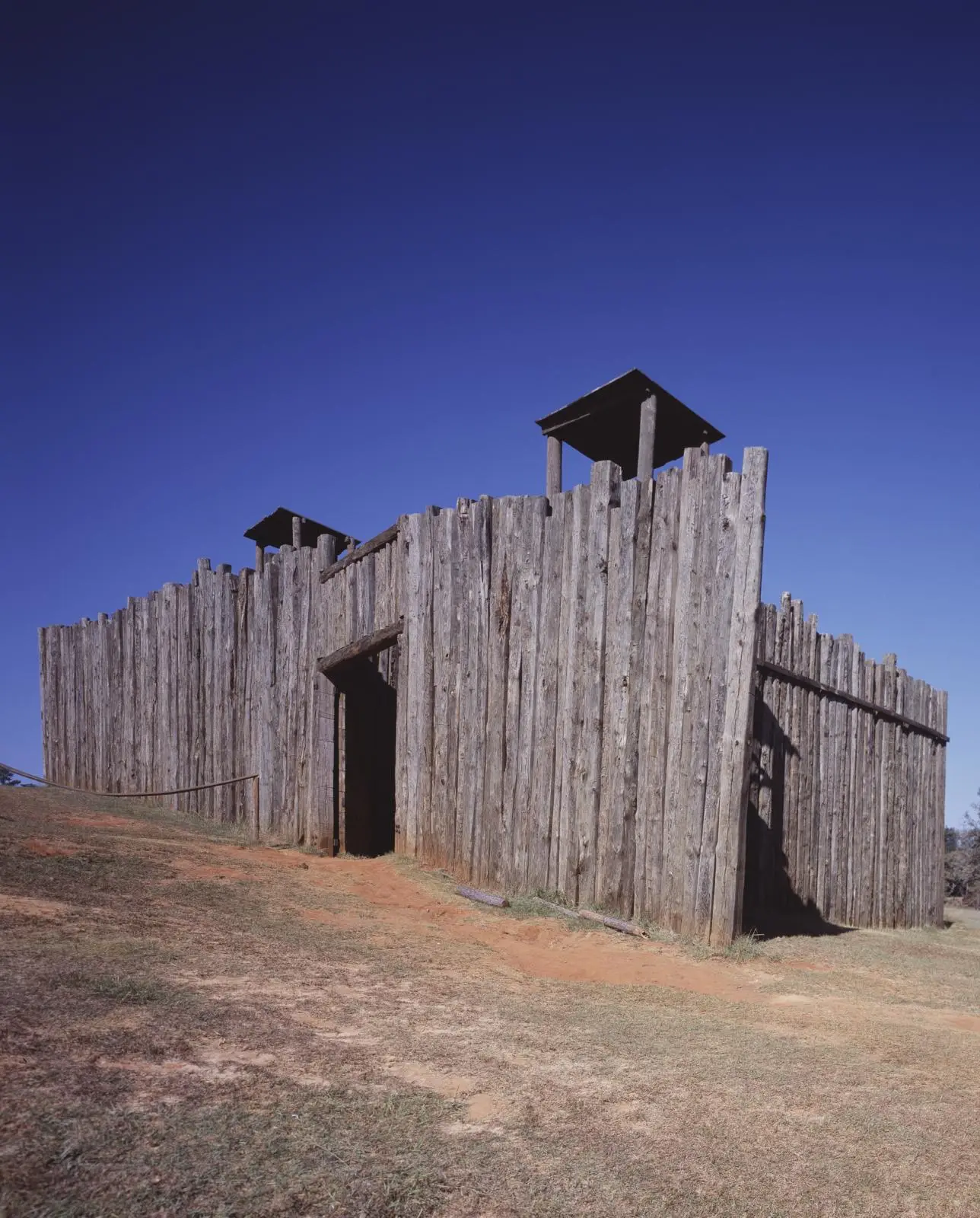
Fort Oglethorpe, GA
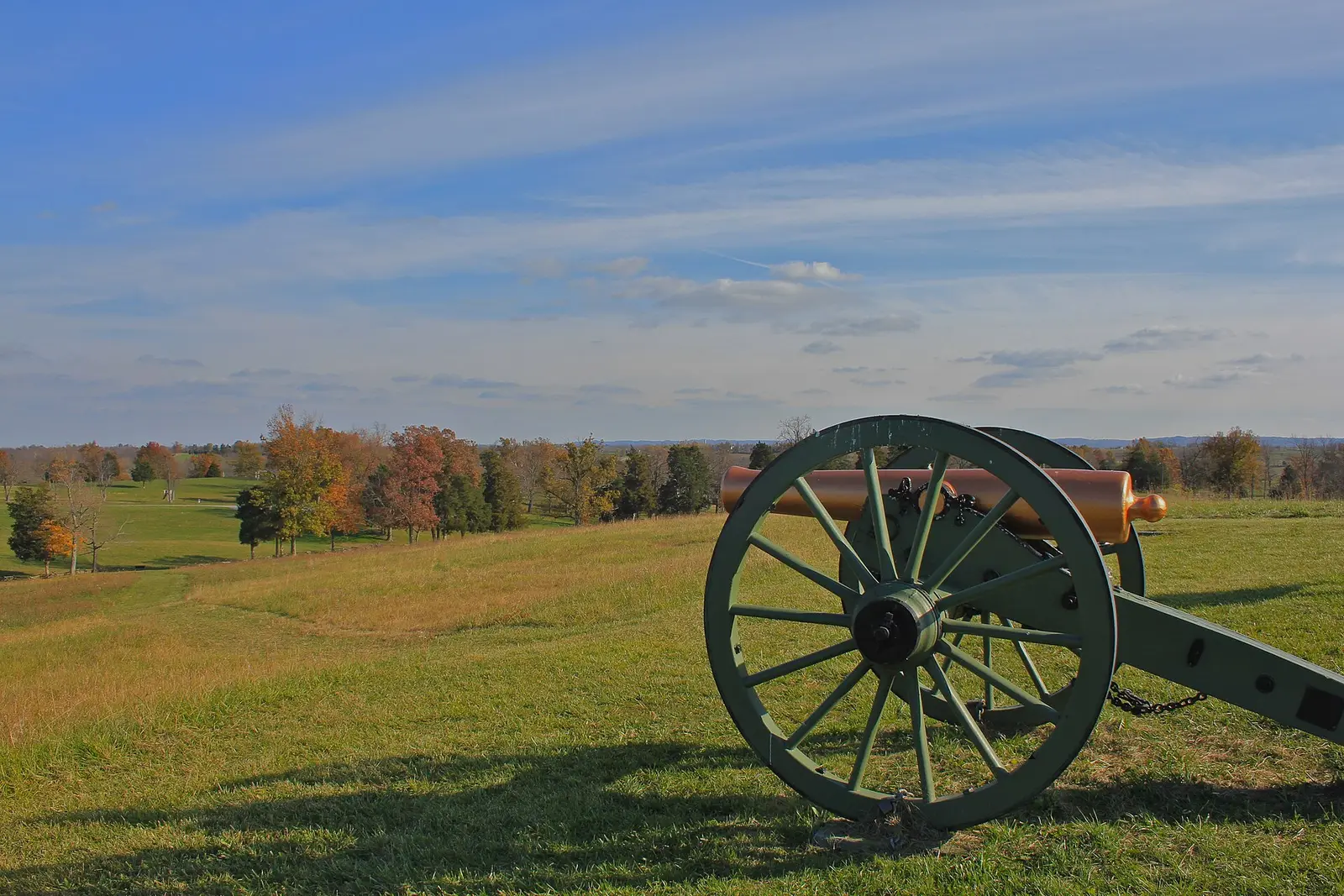
Battlefield · Outside only
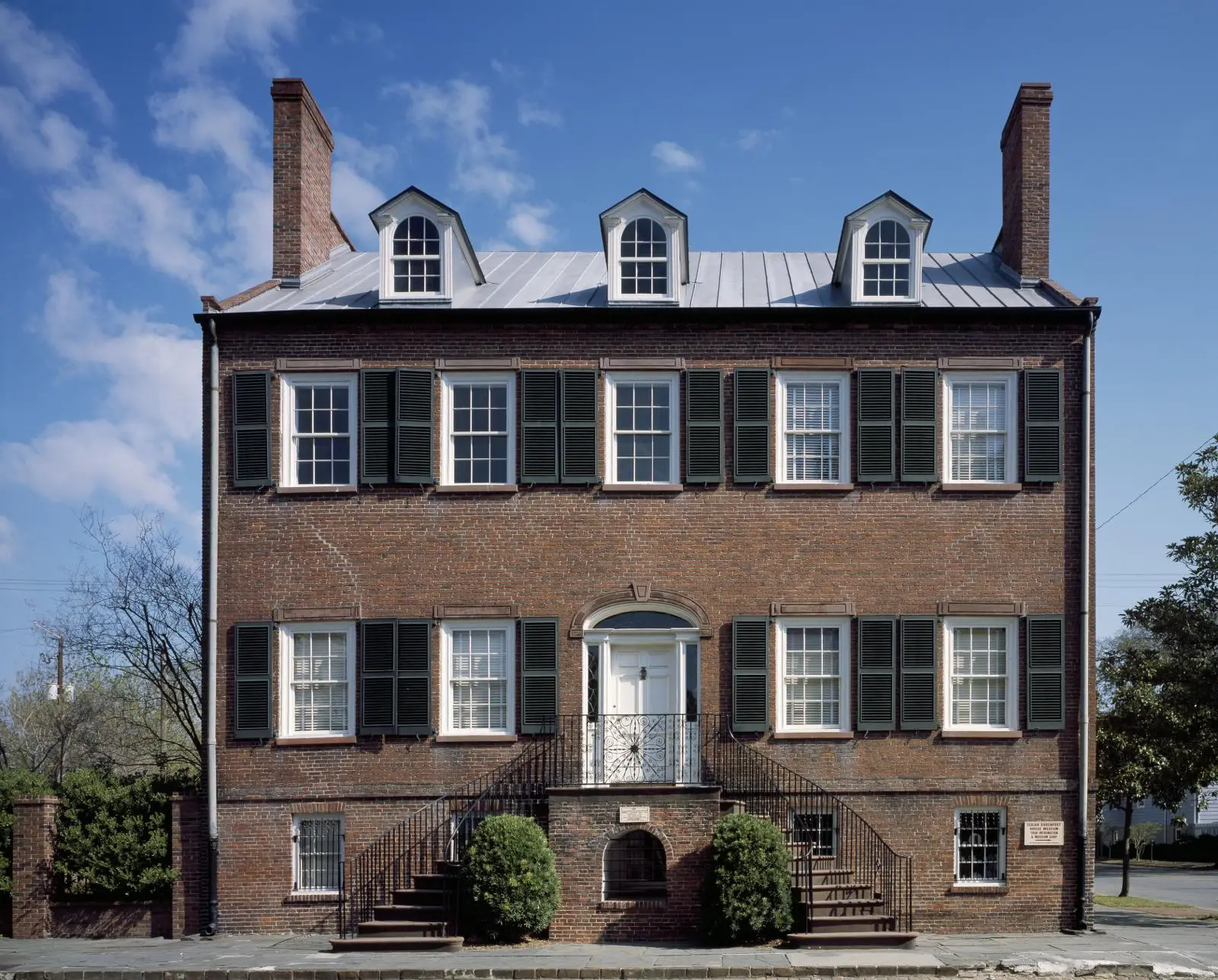
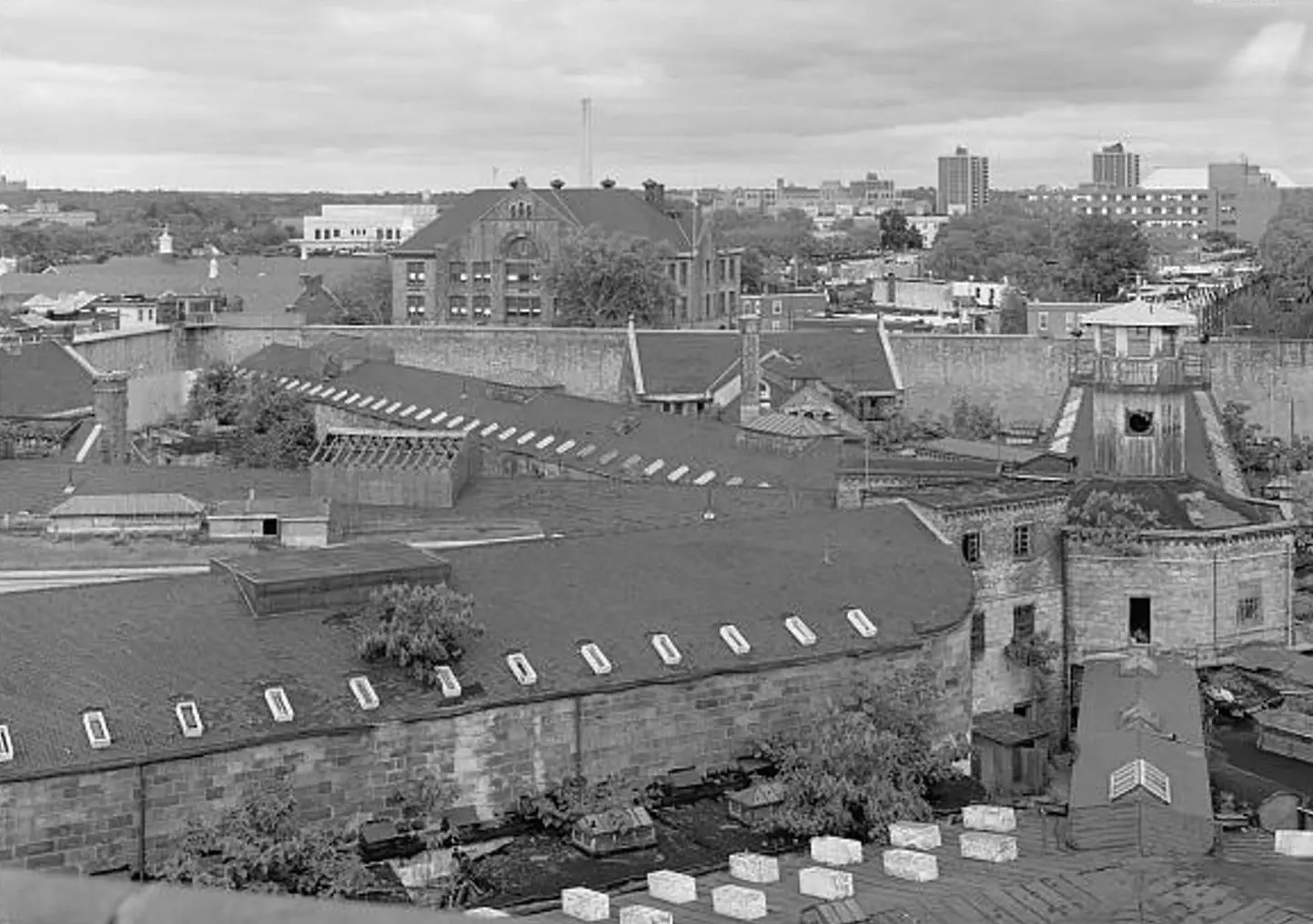
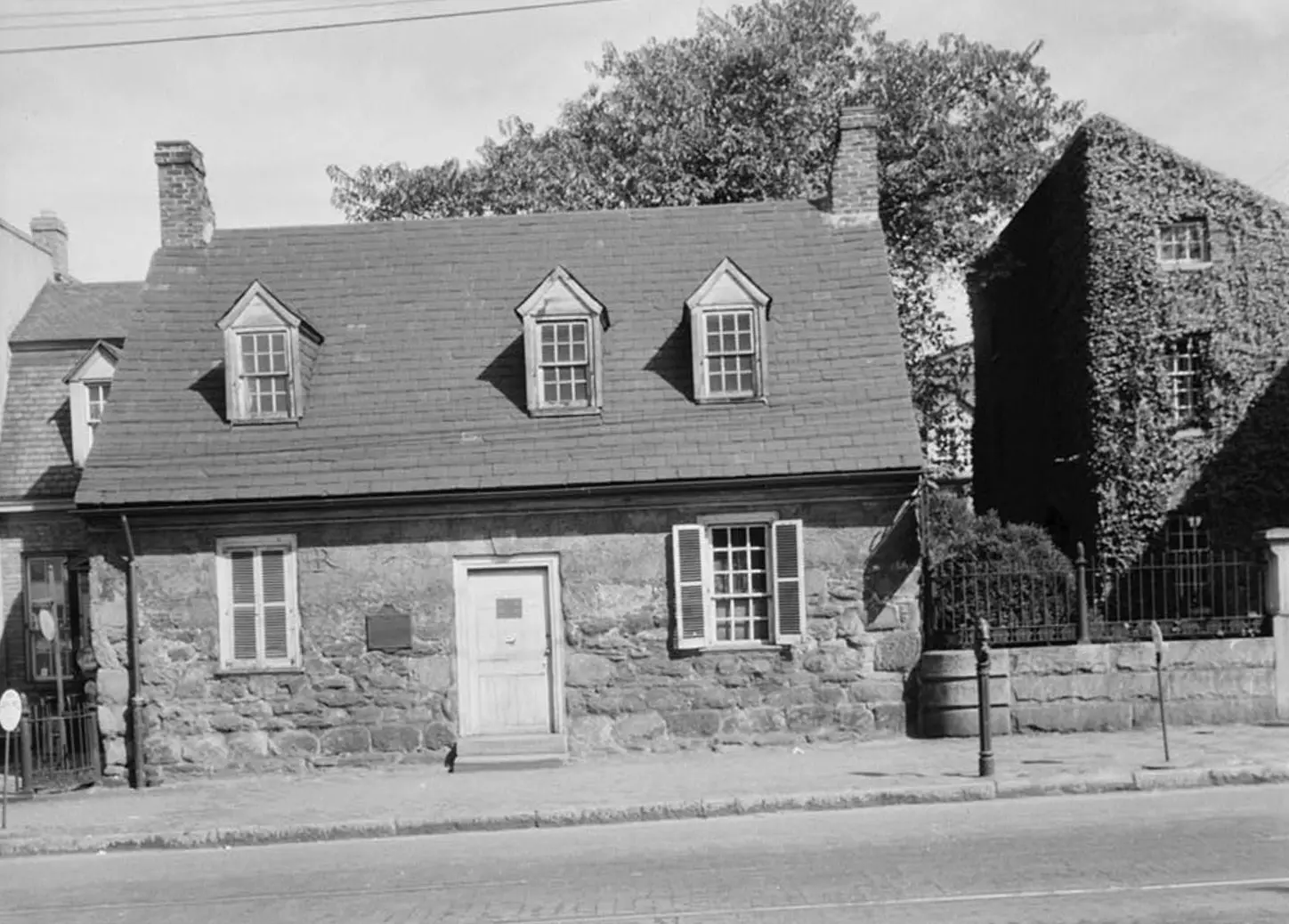
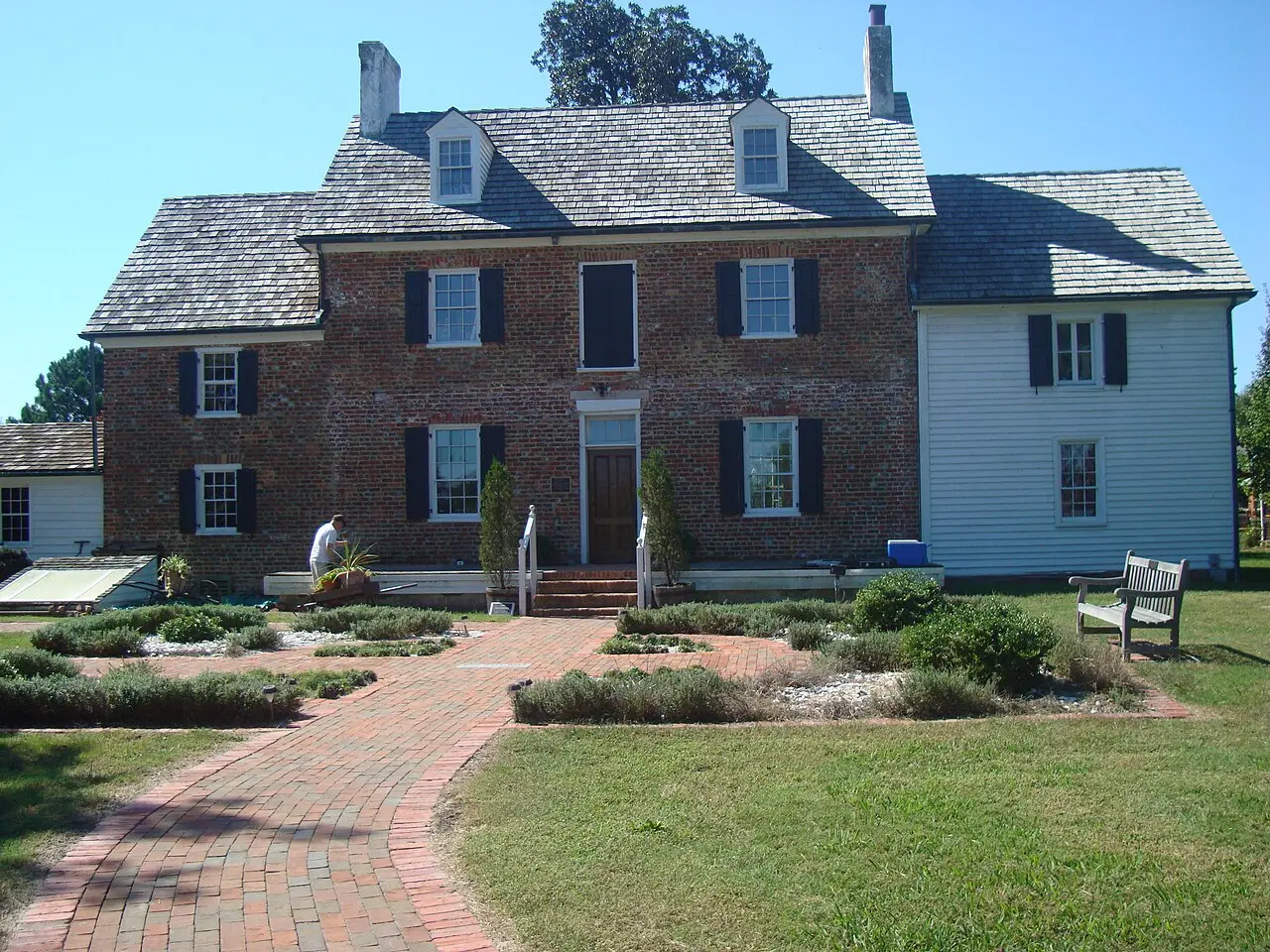
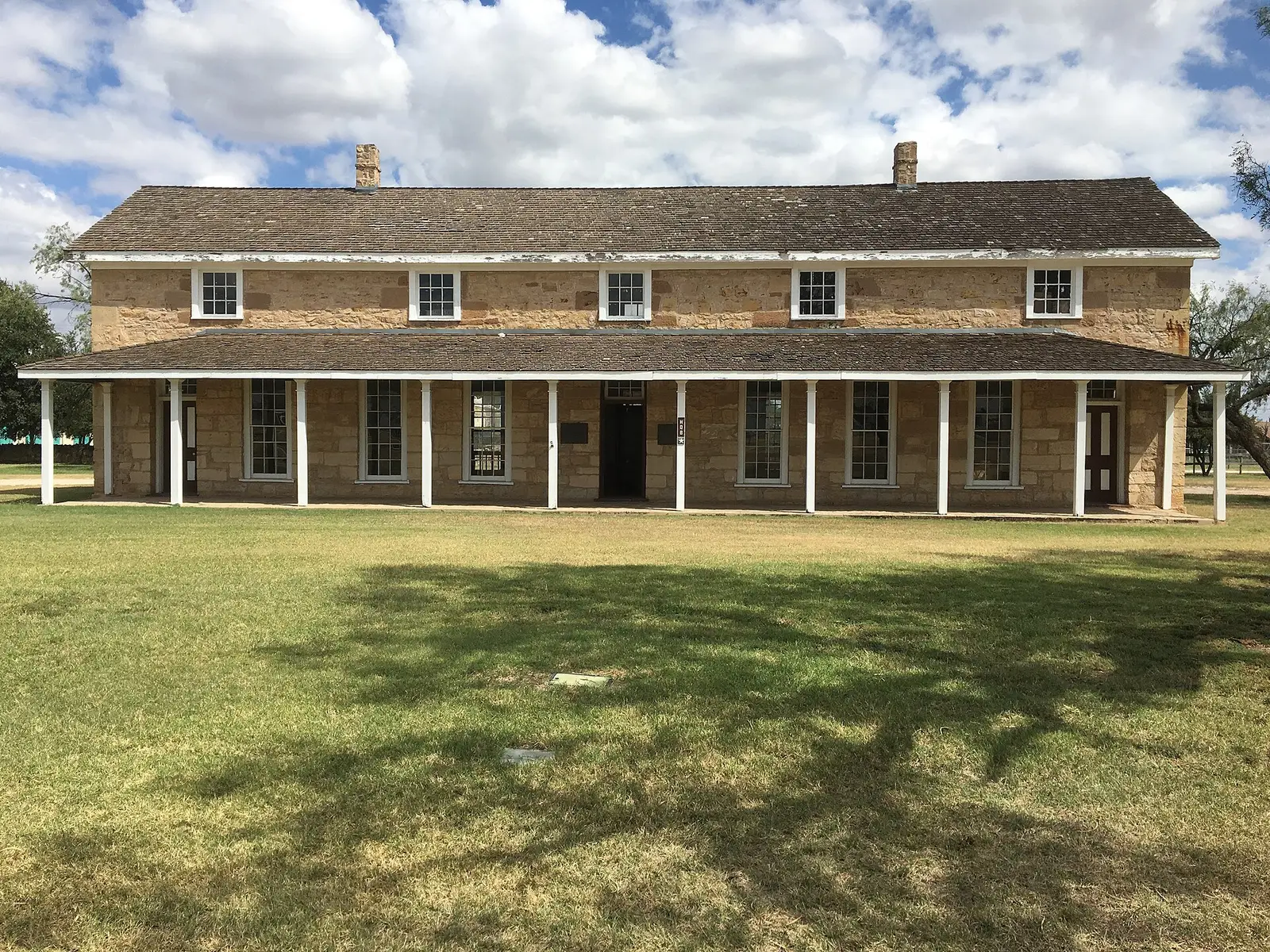
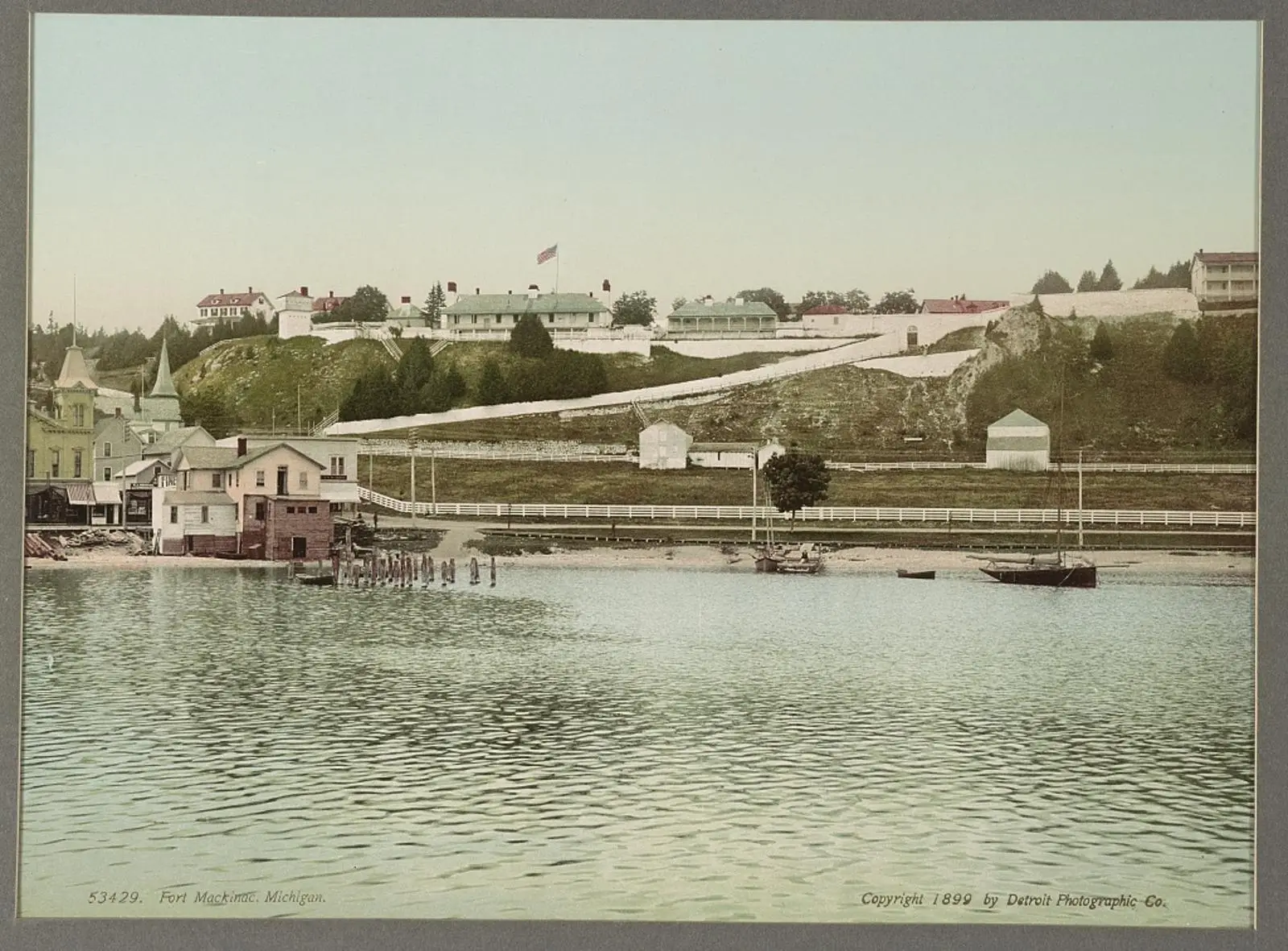
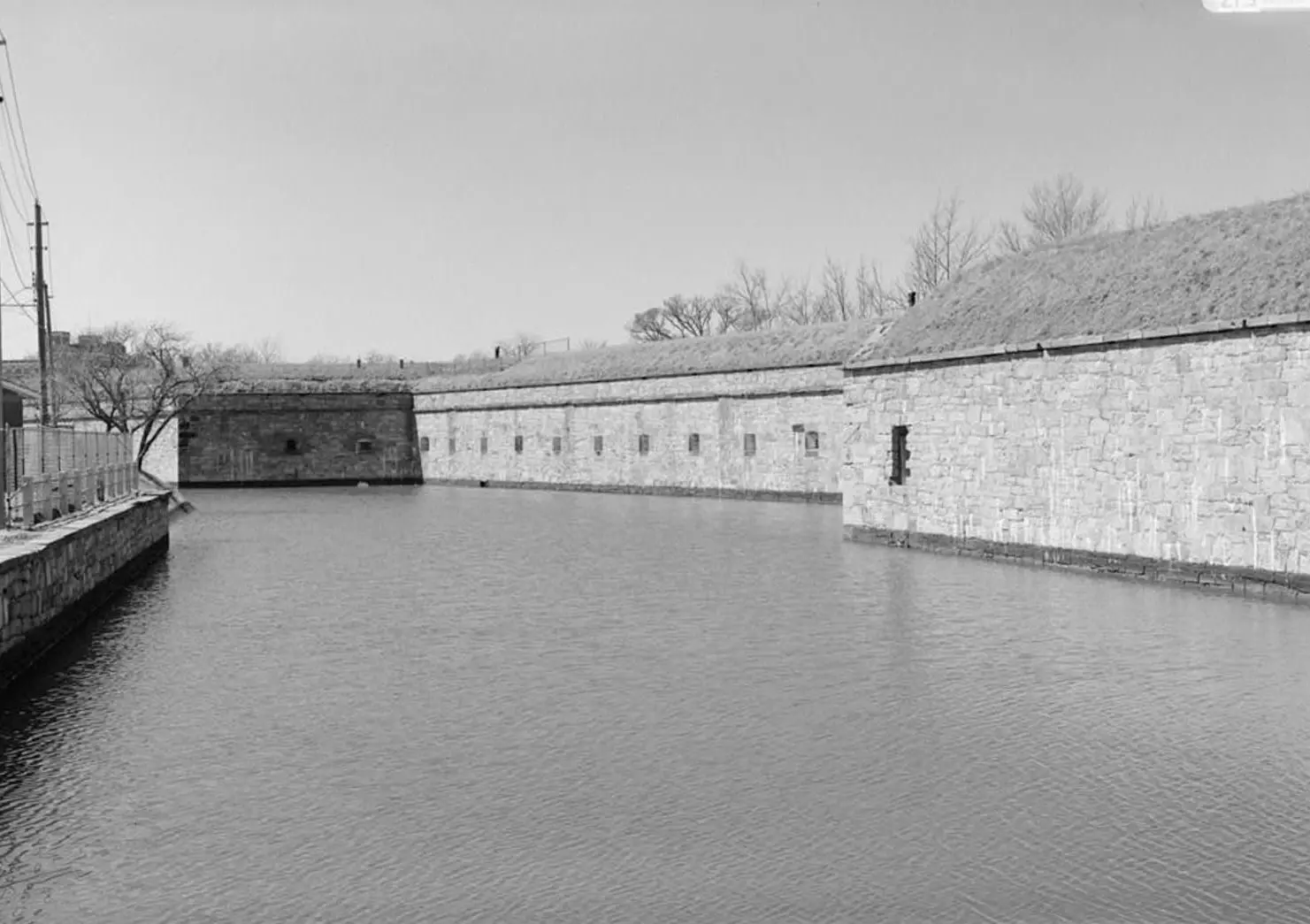
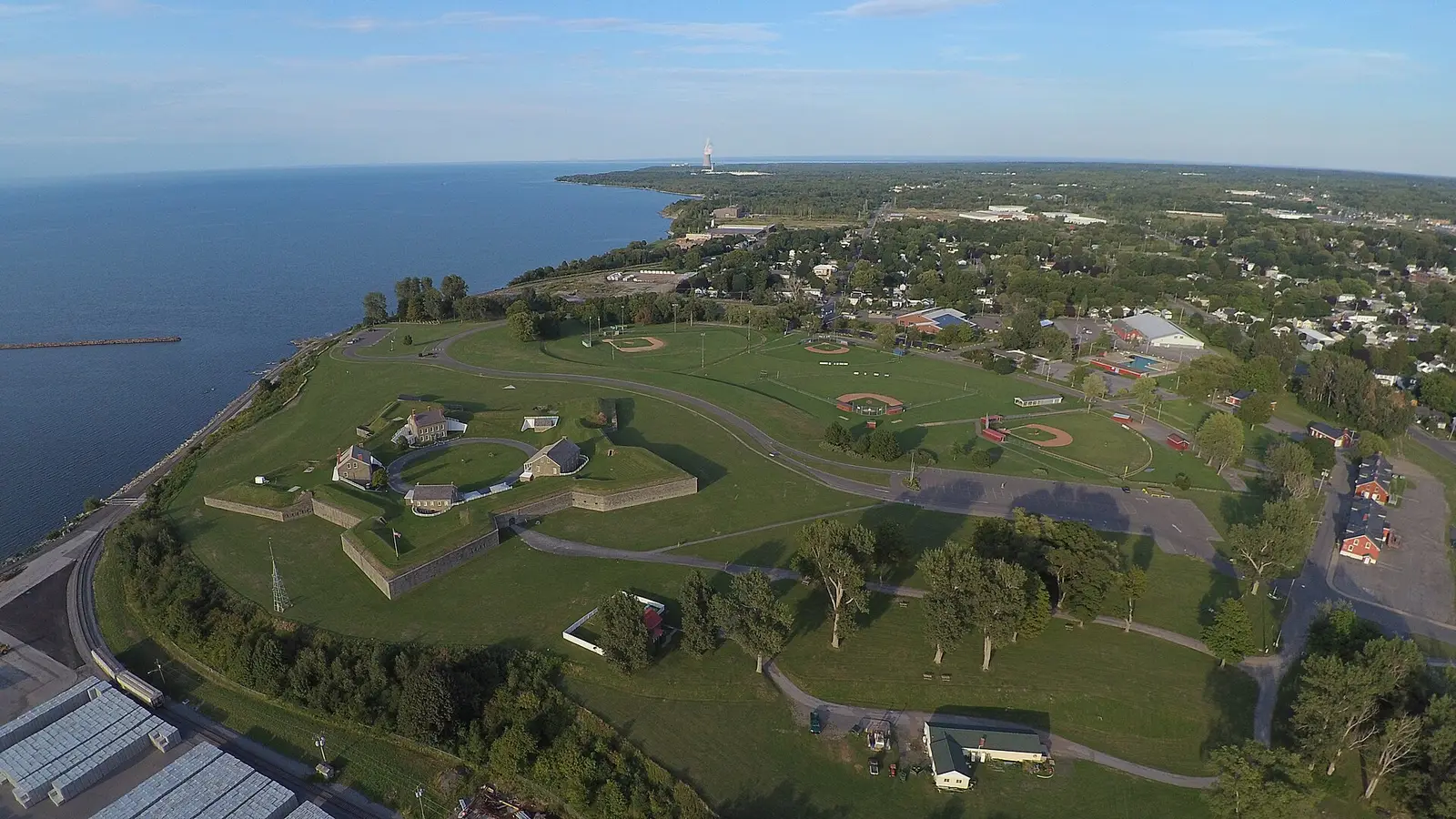
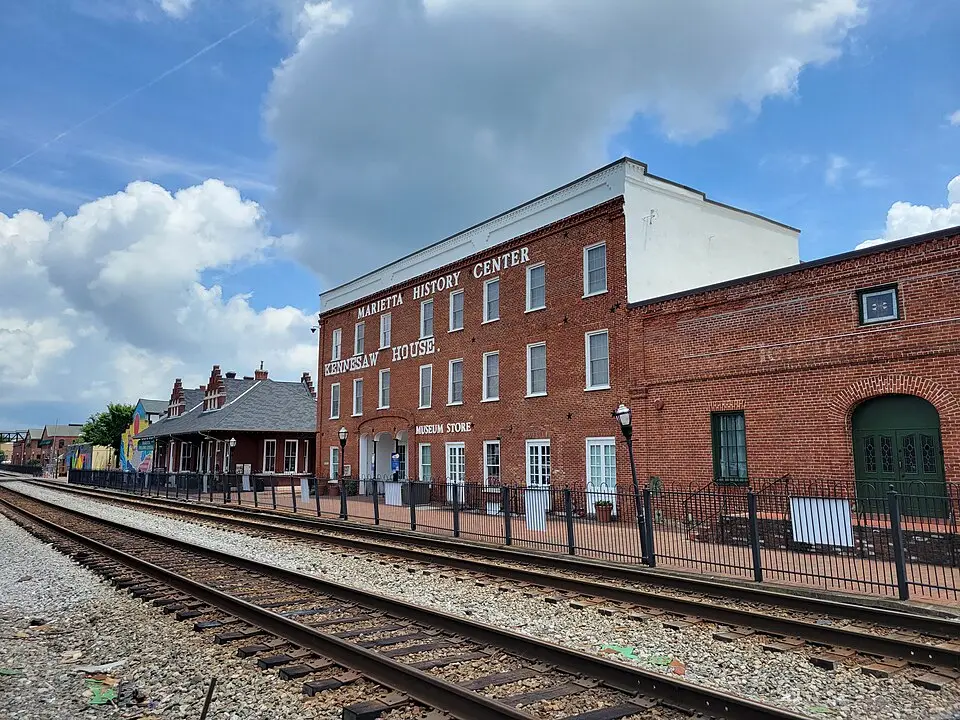
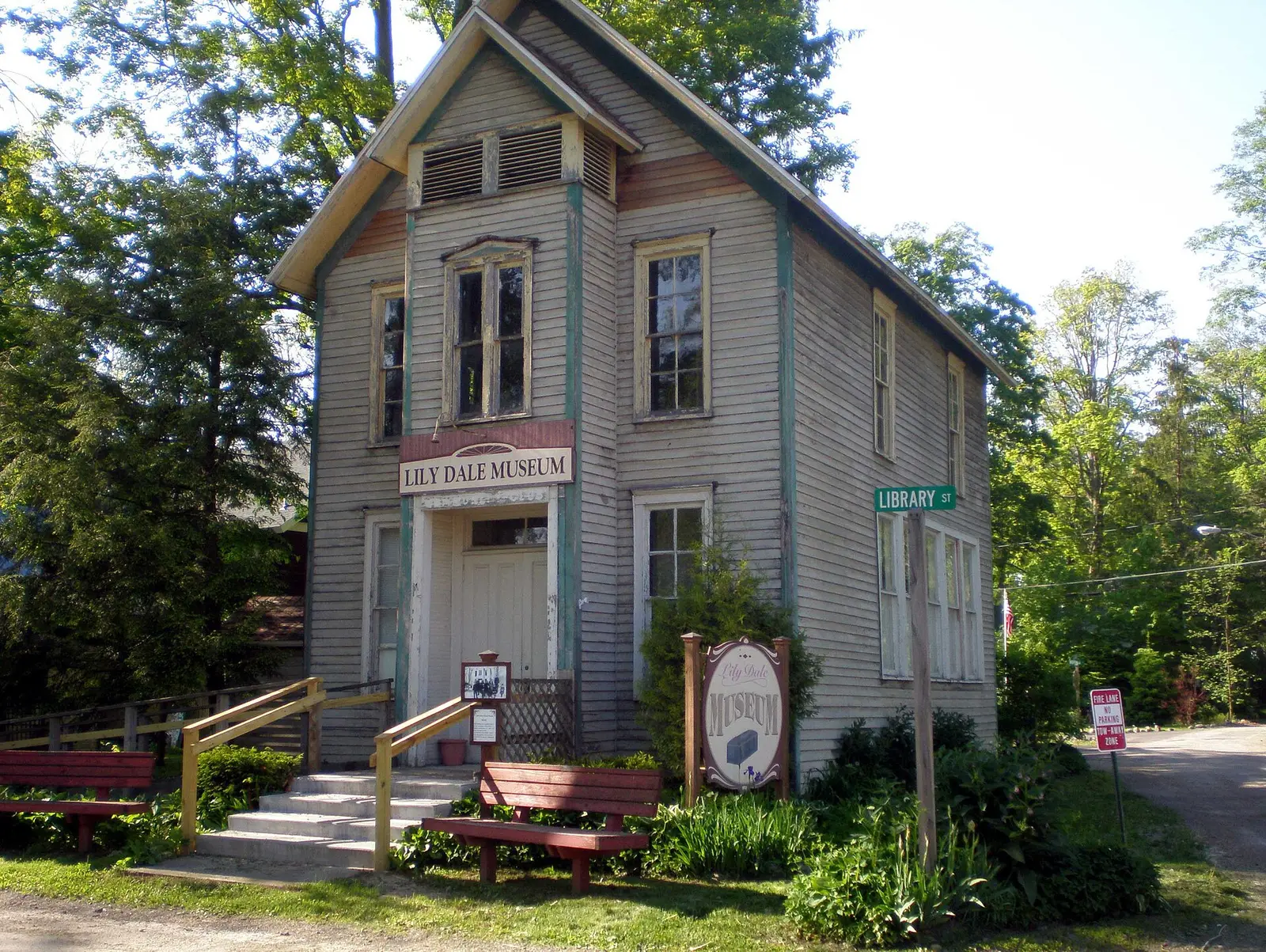
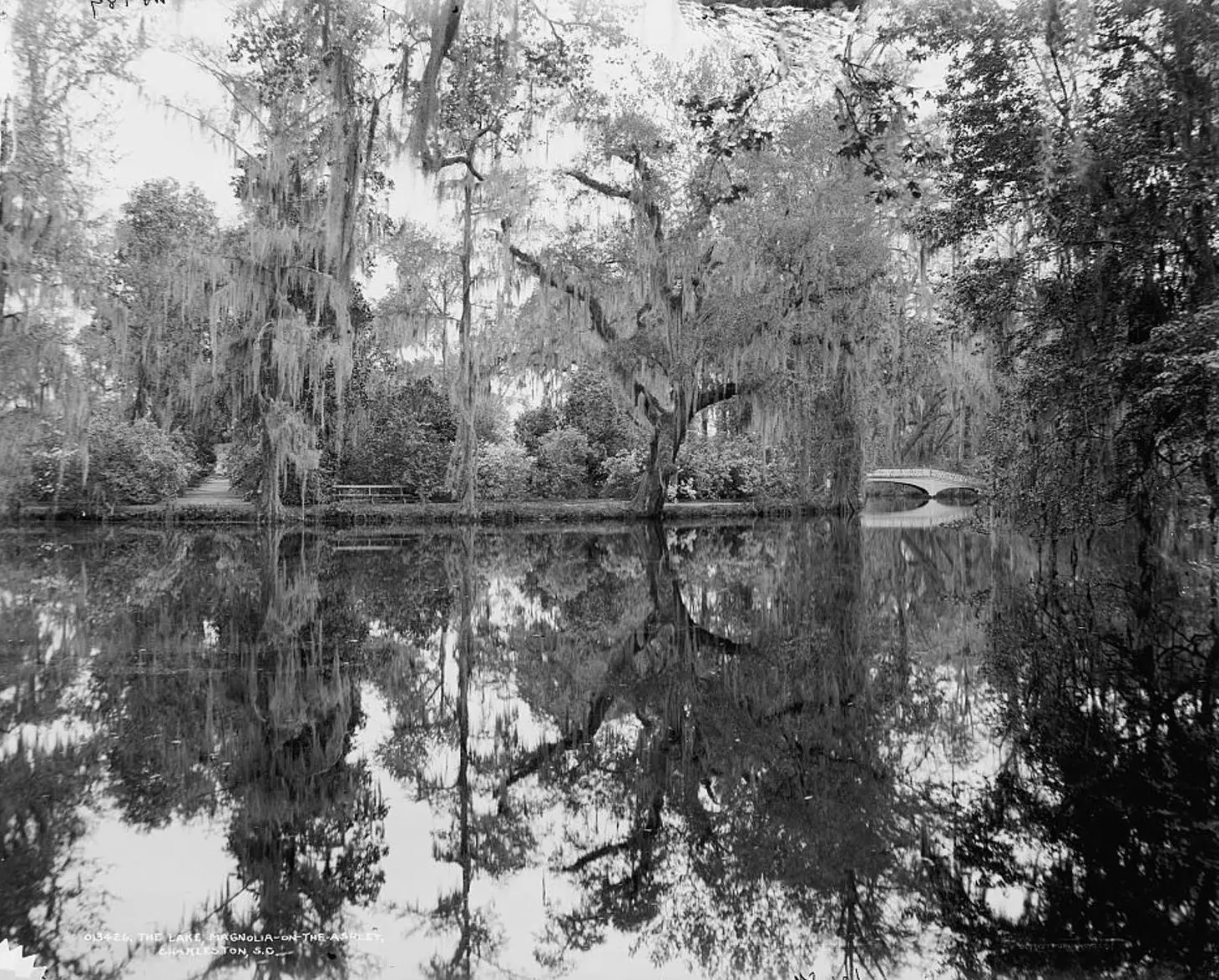
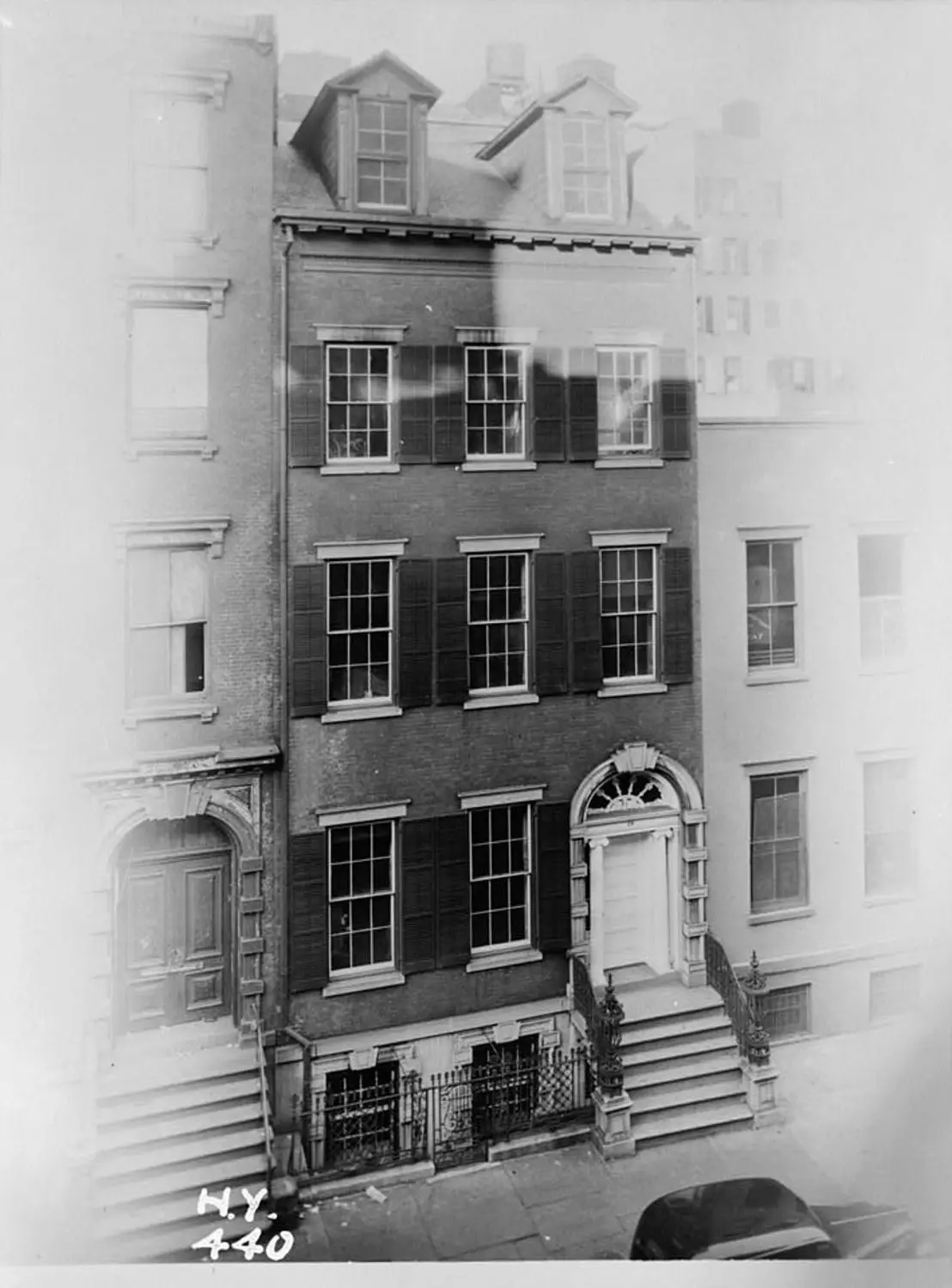
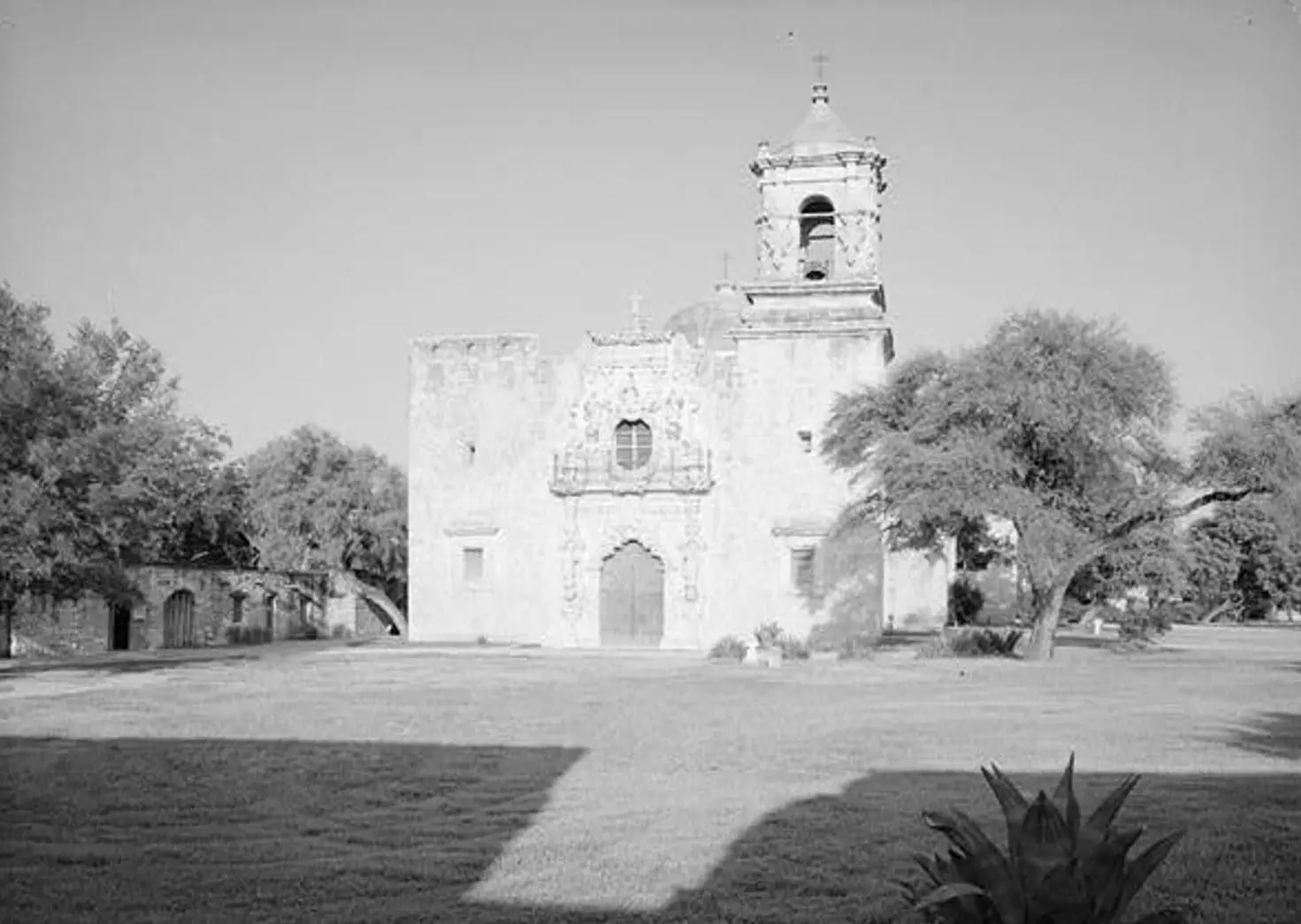
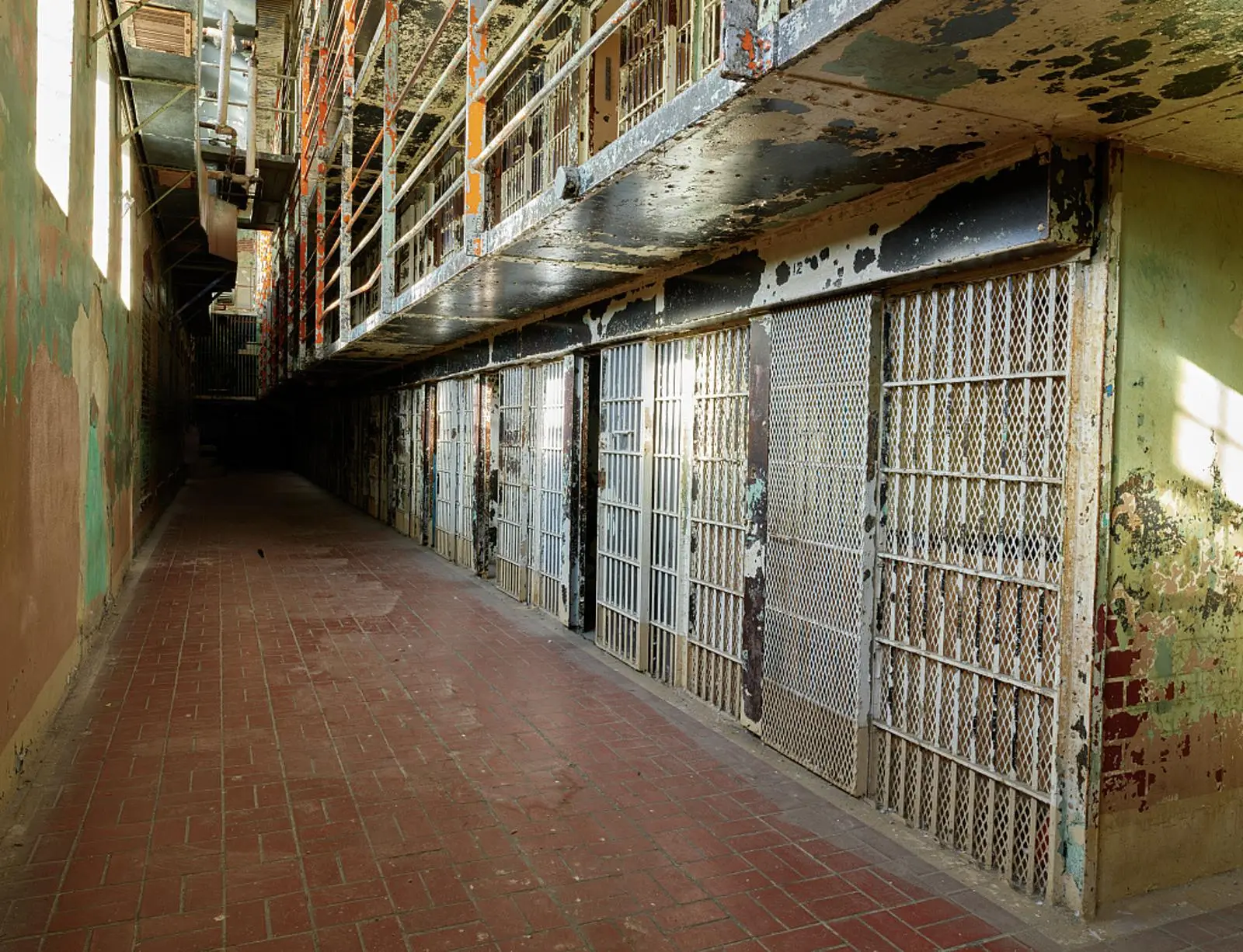
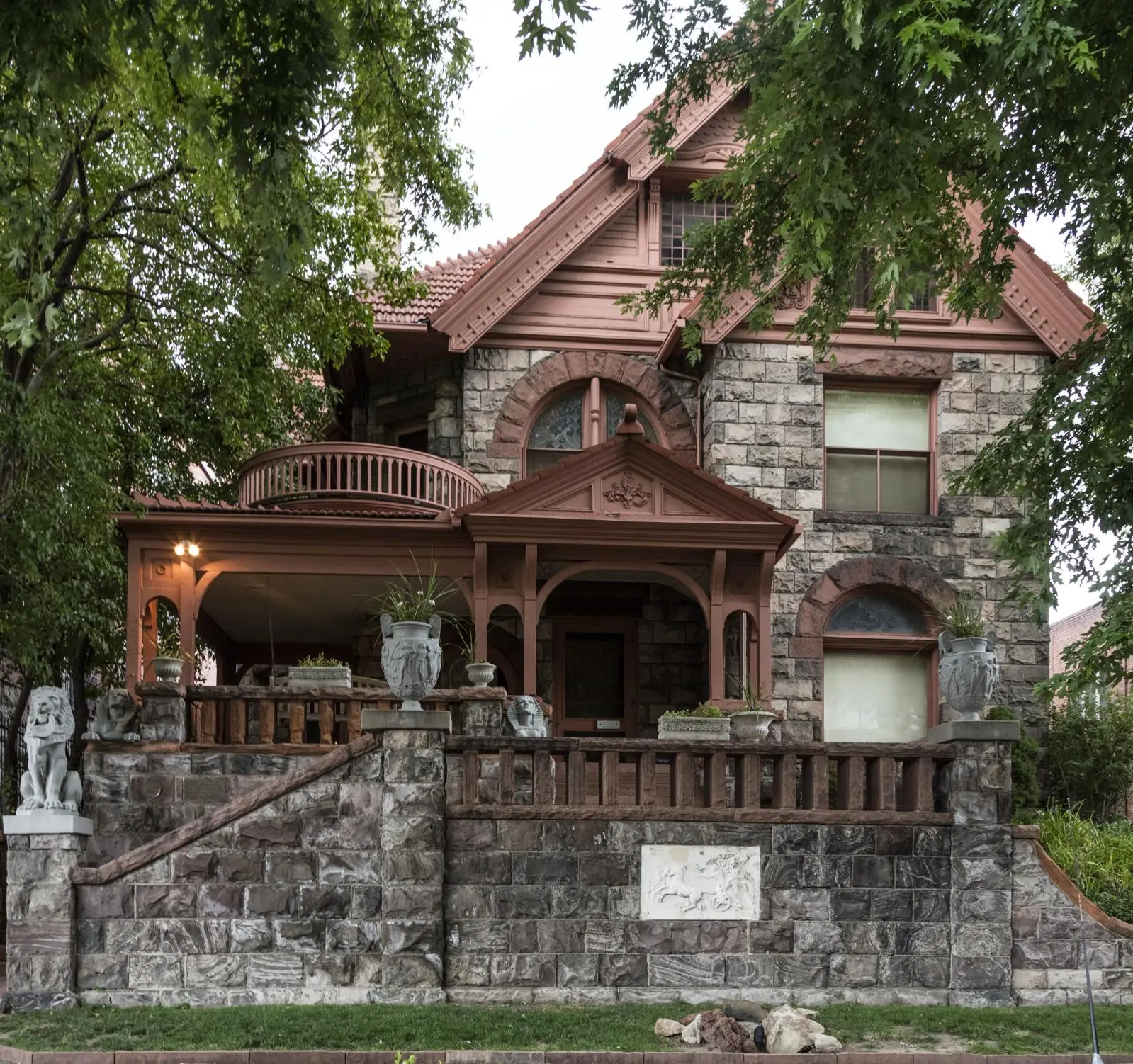
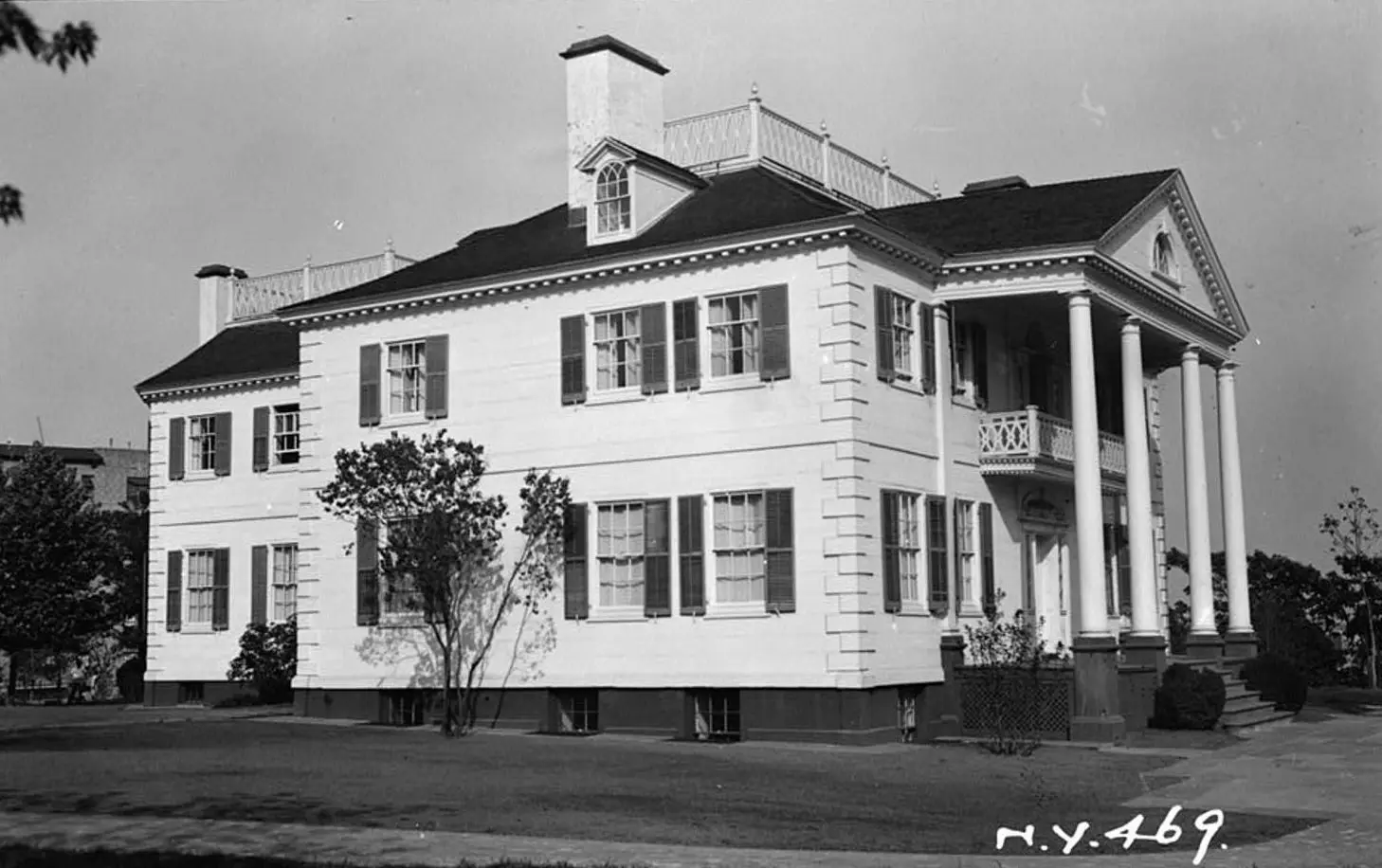
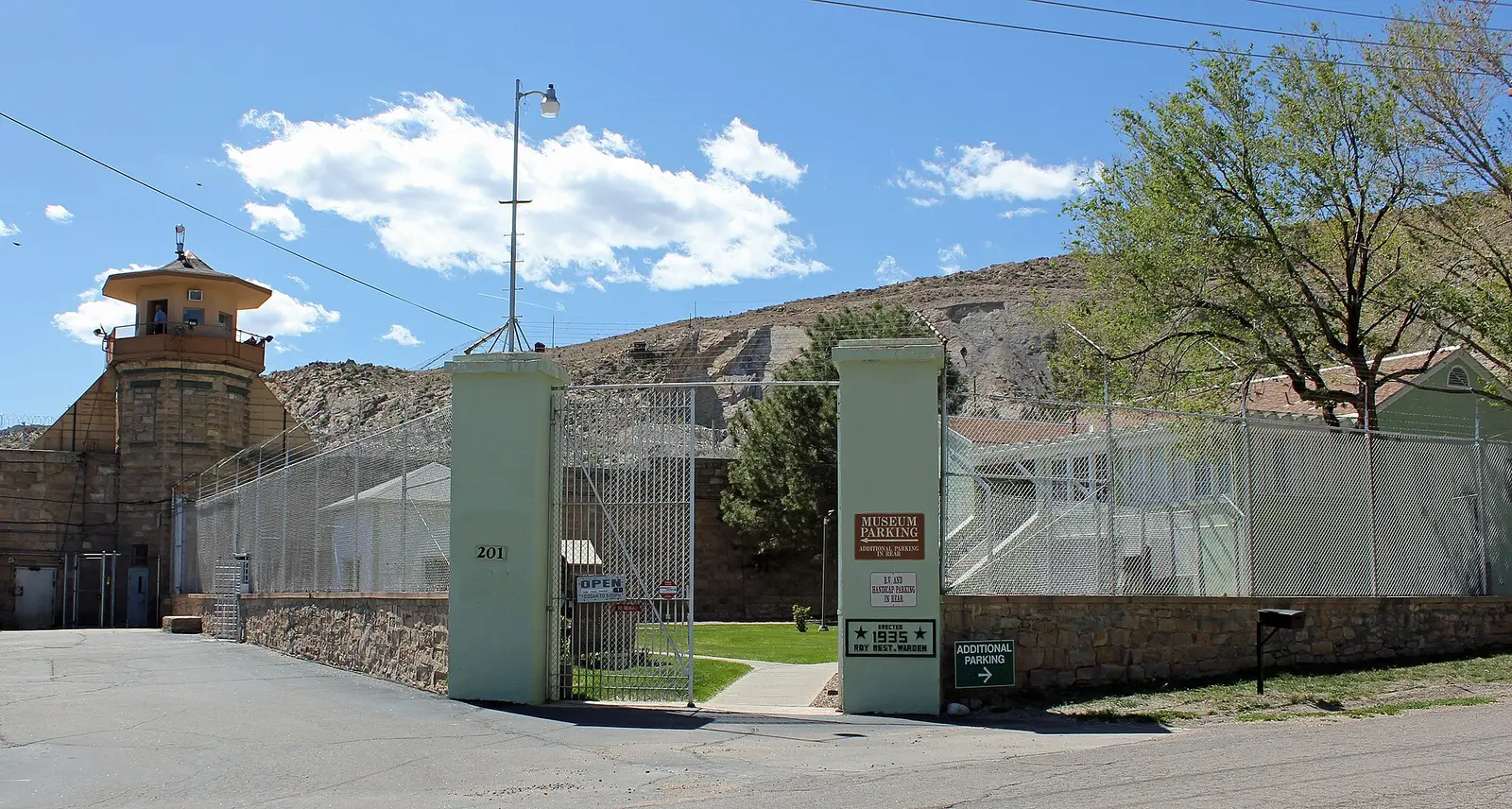
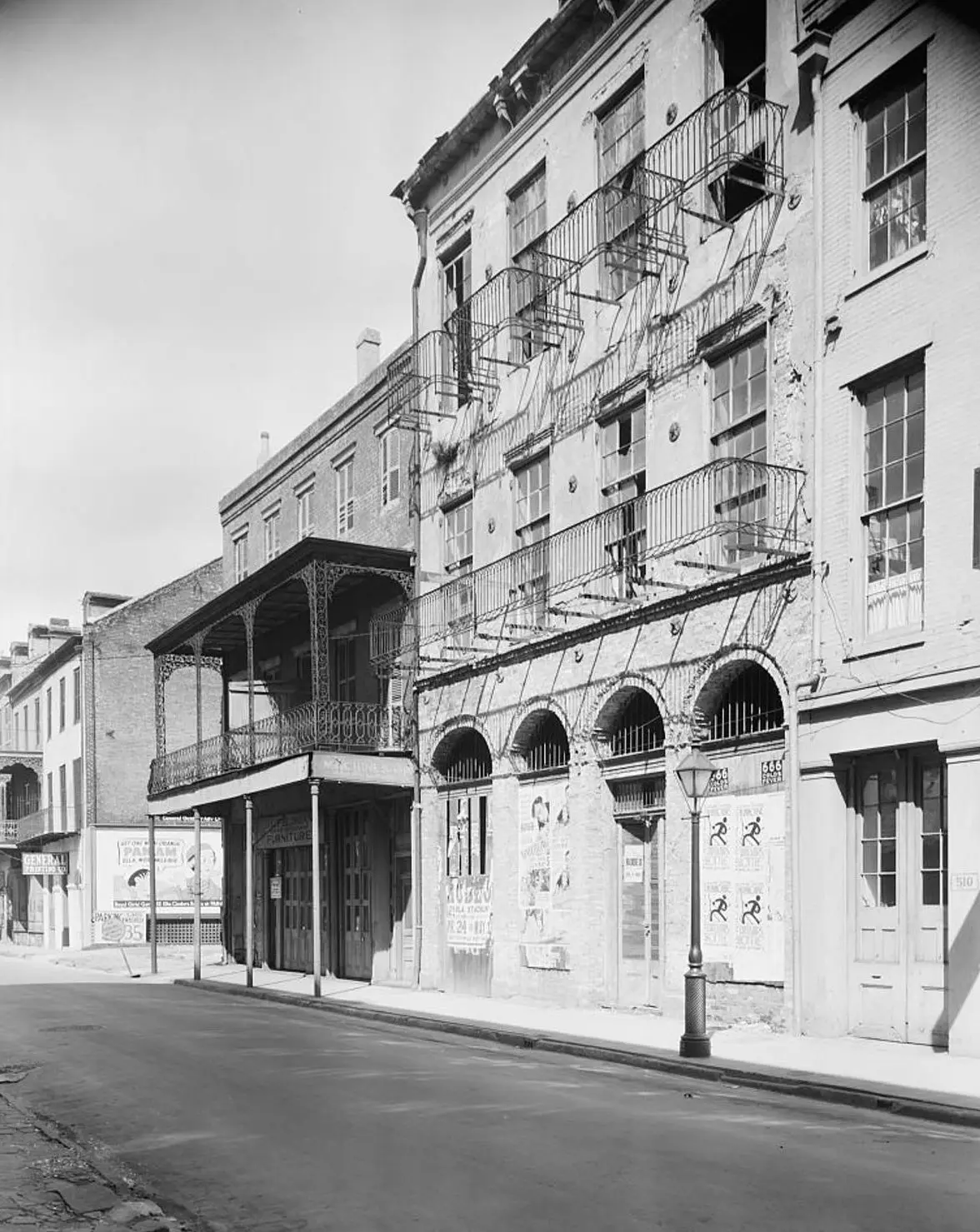
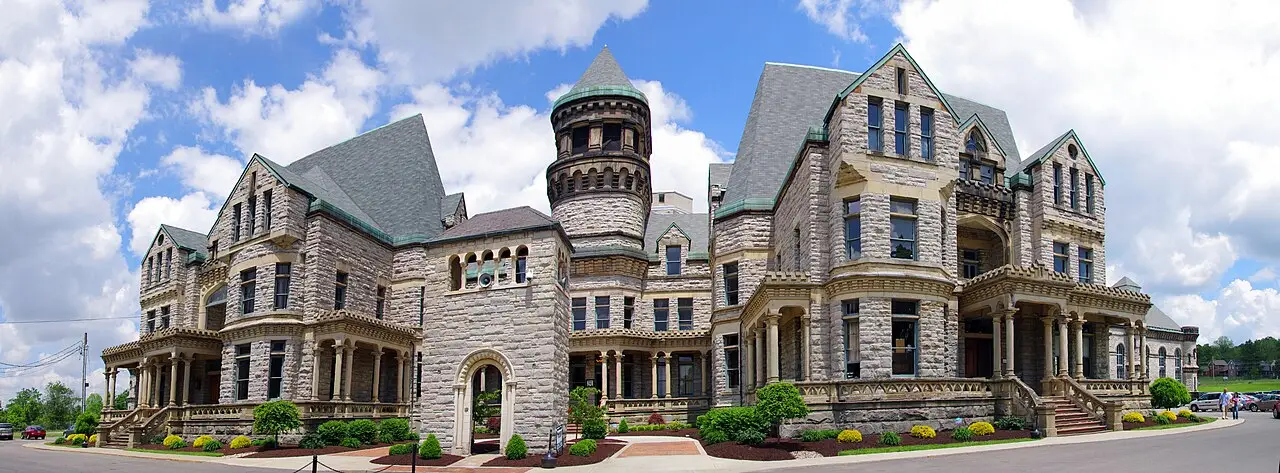
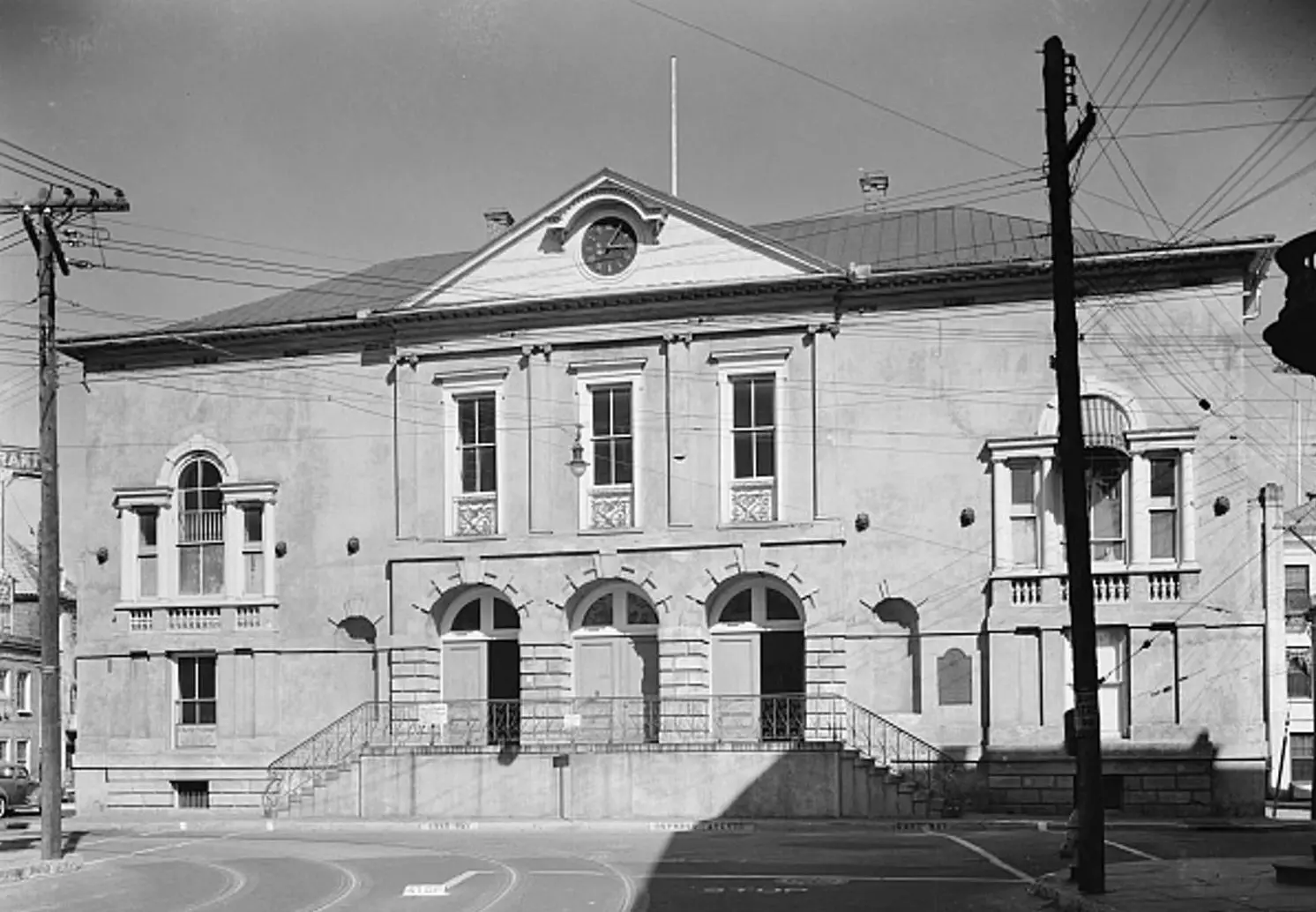
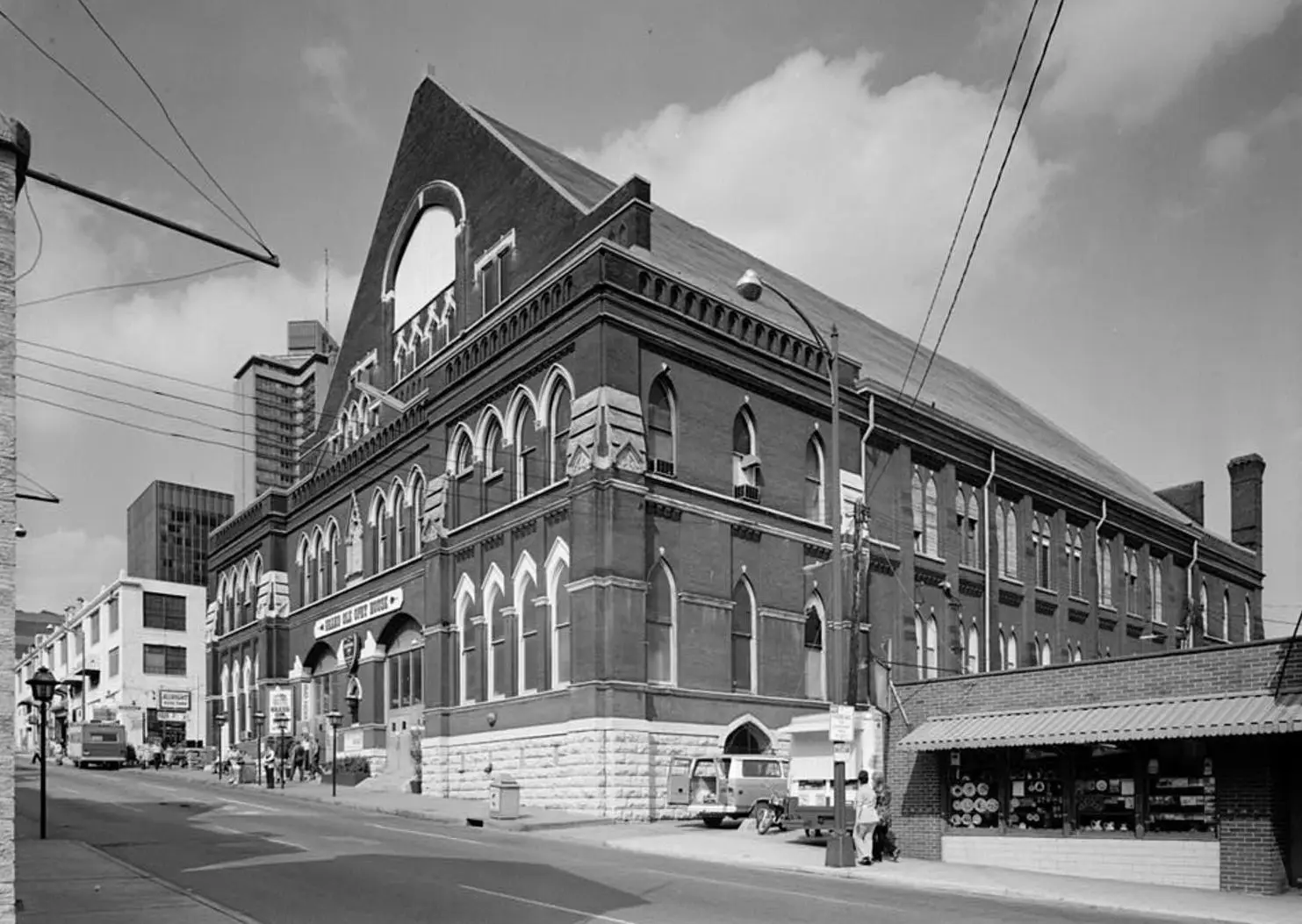
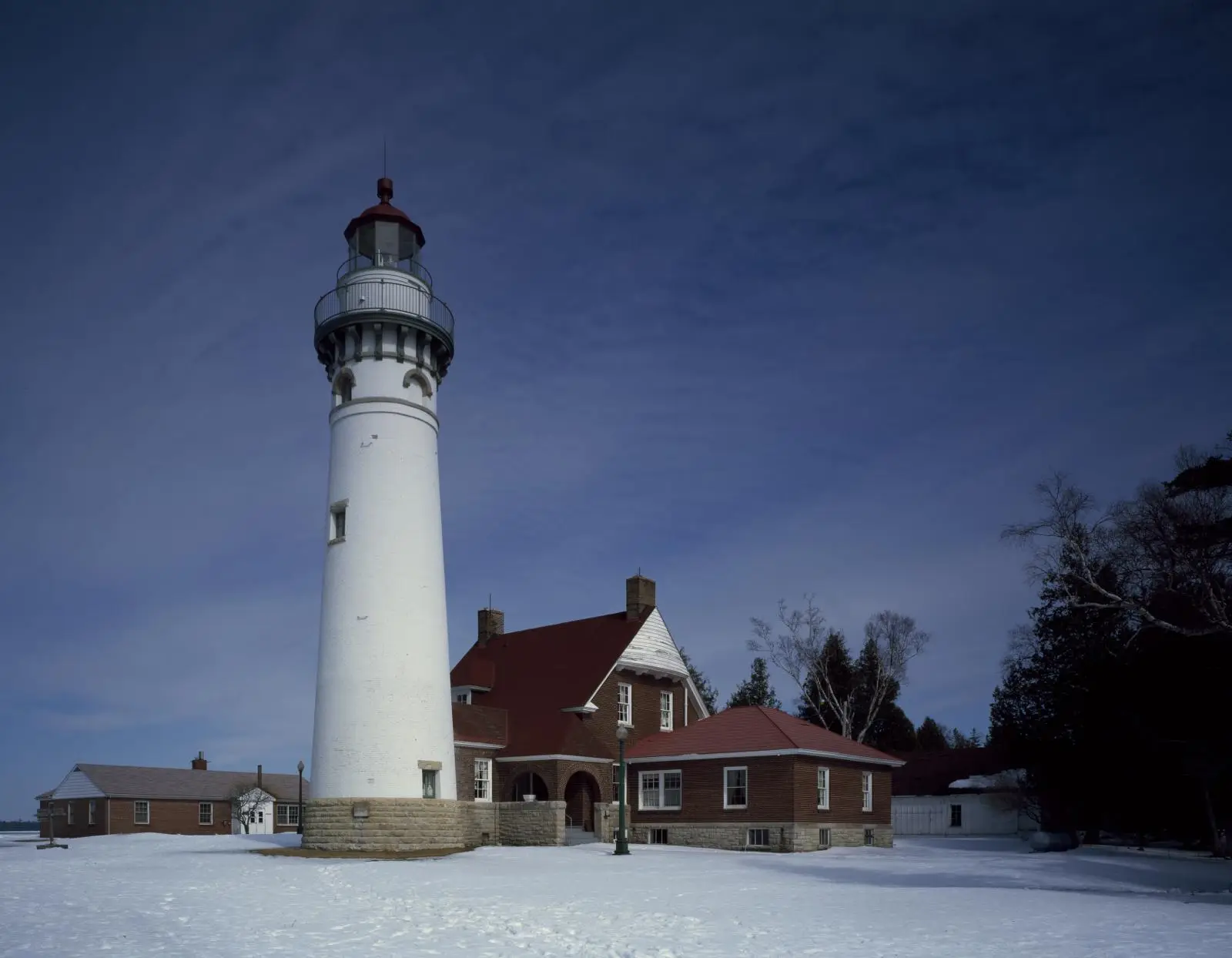
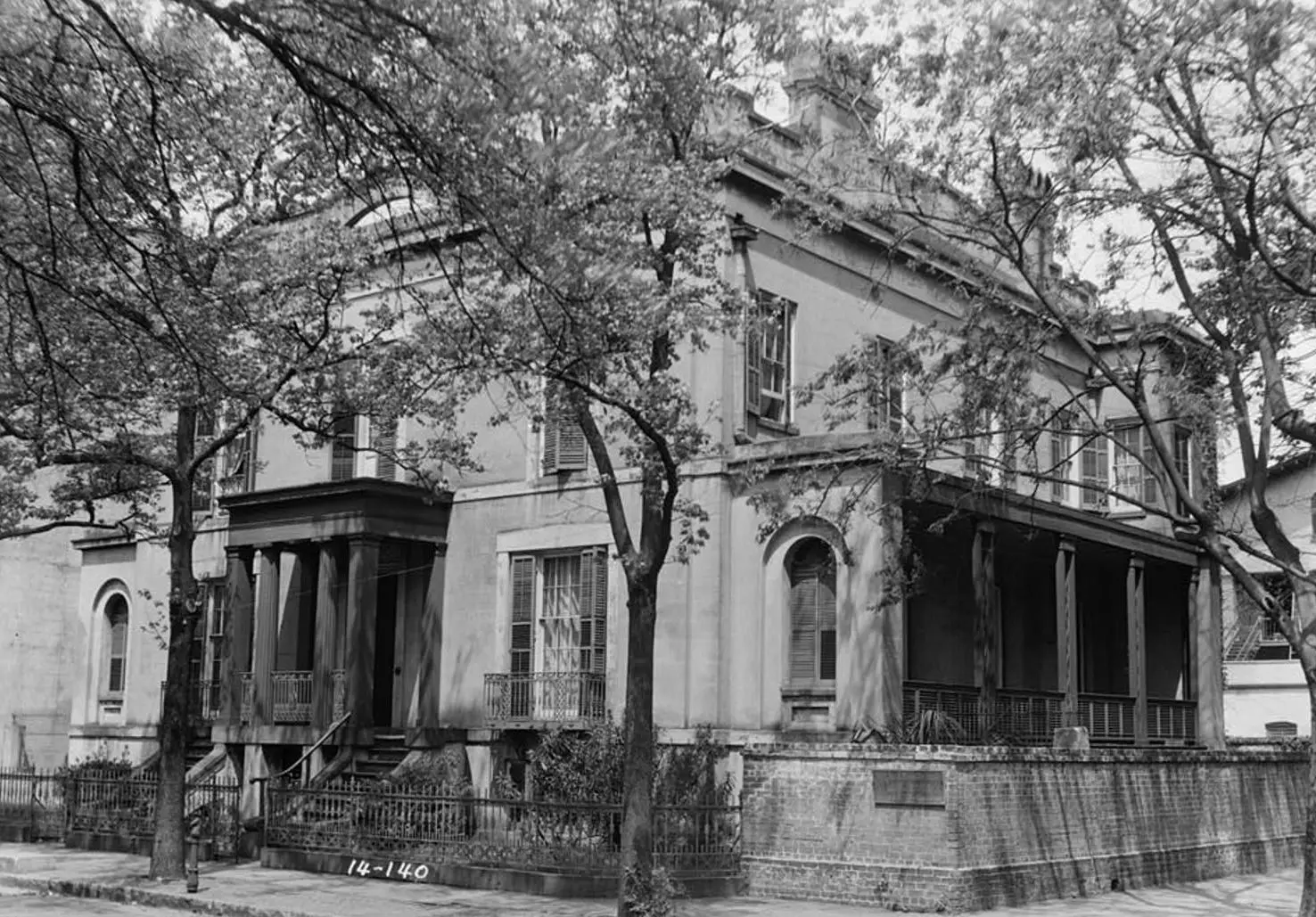
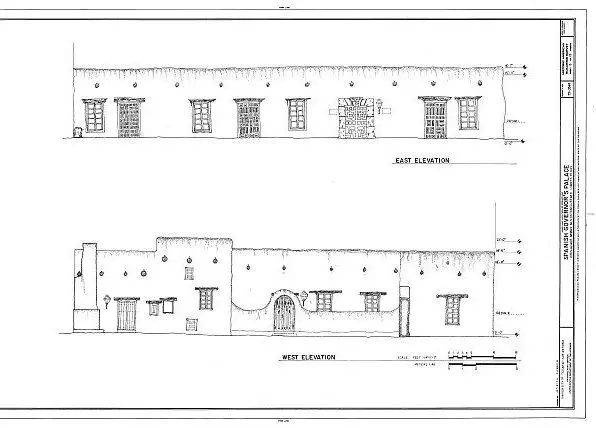
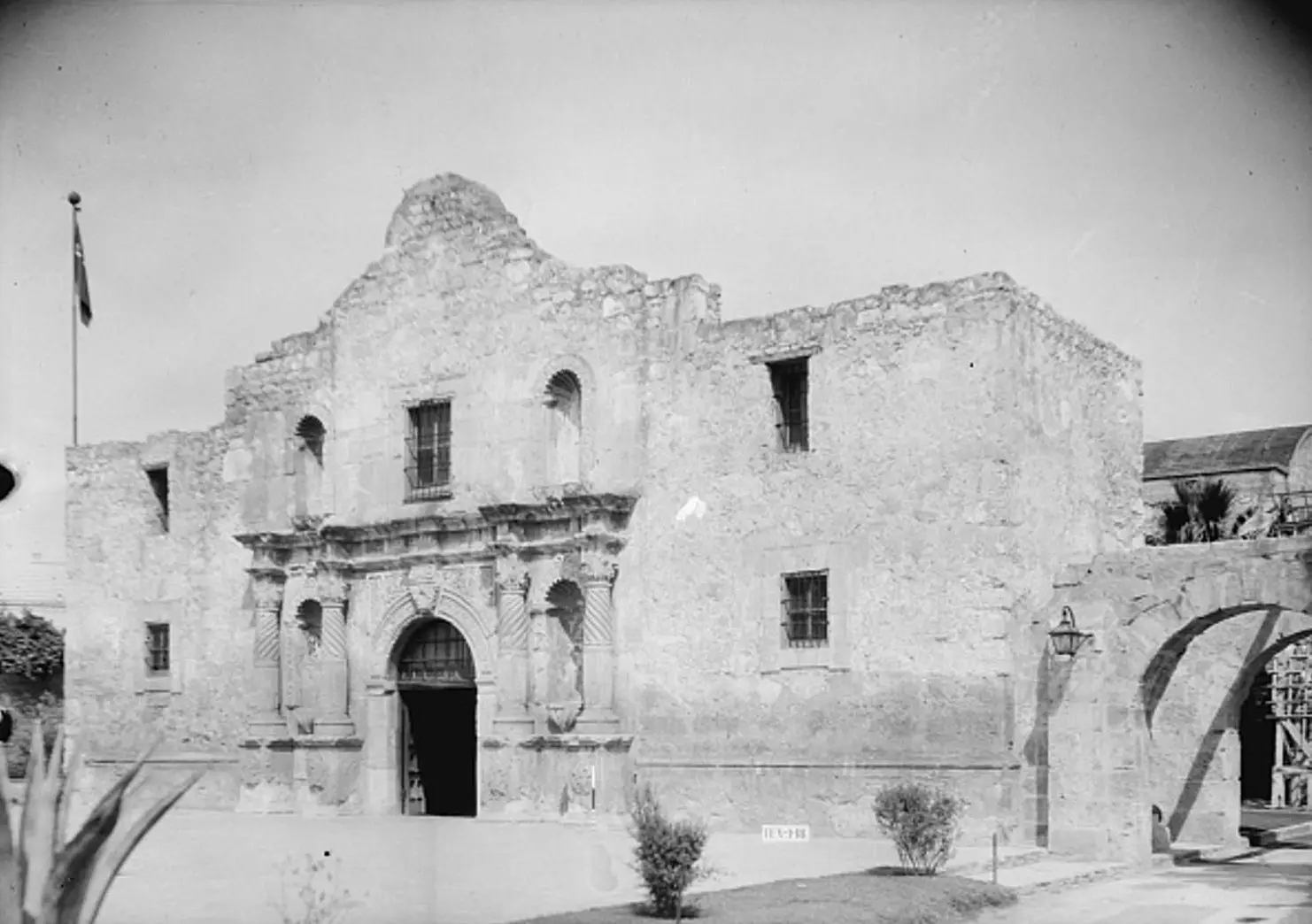
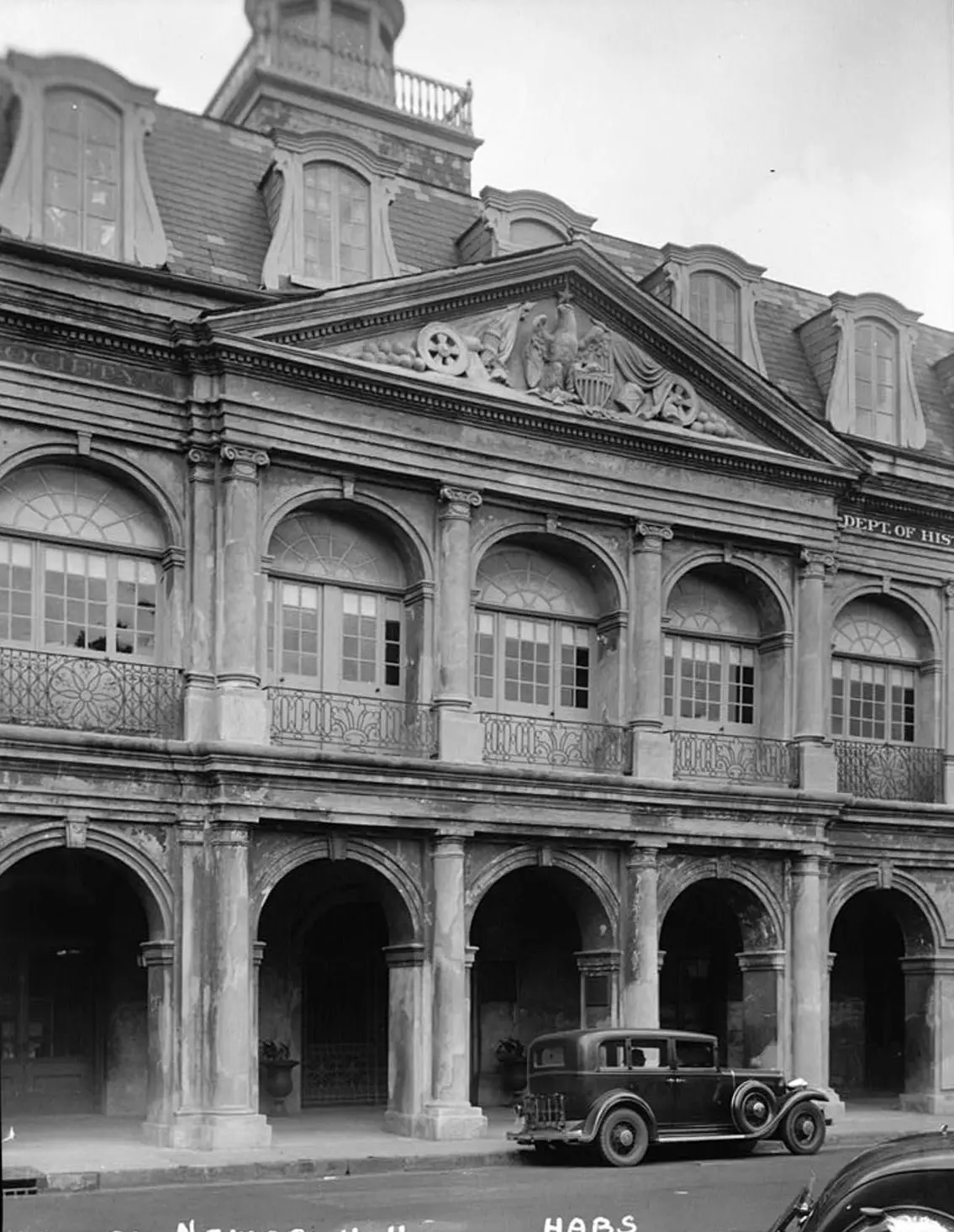
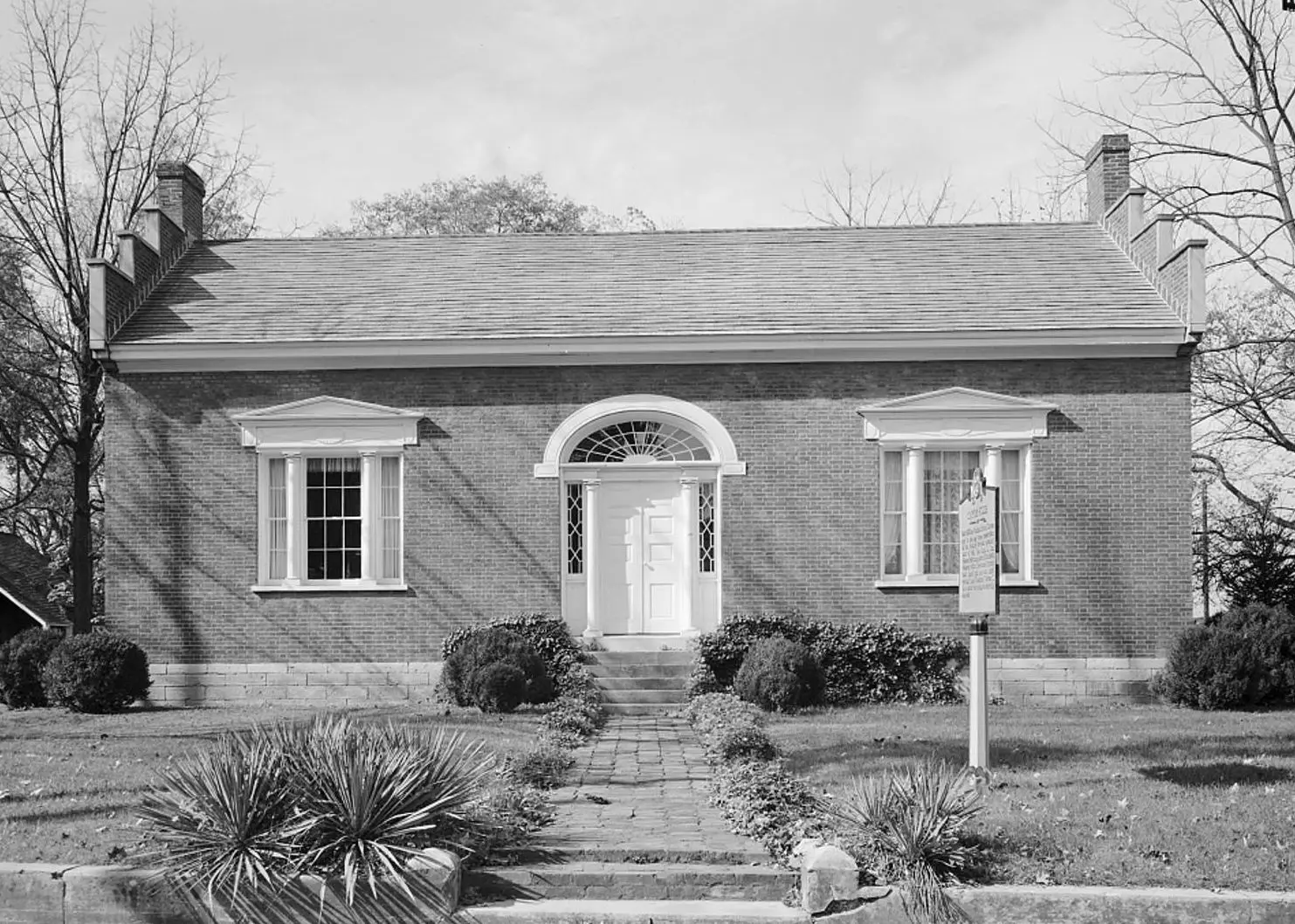
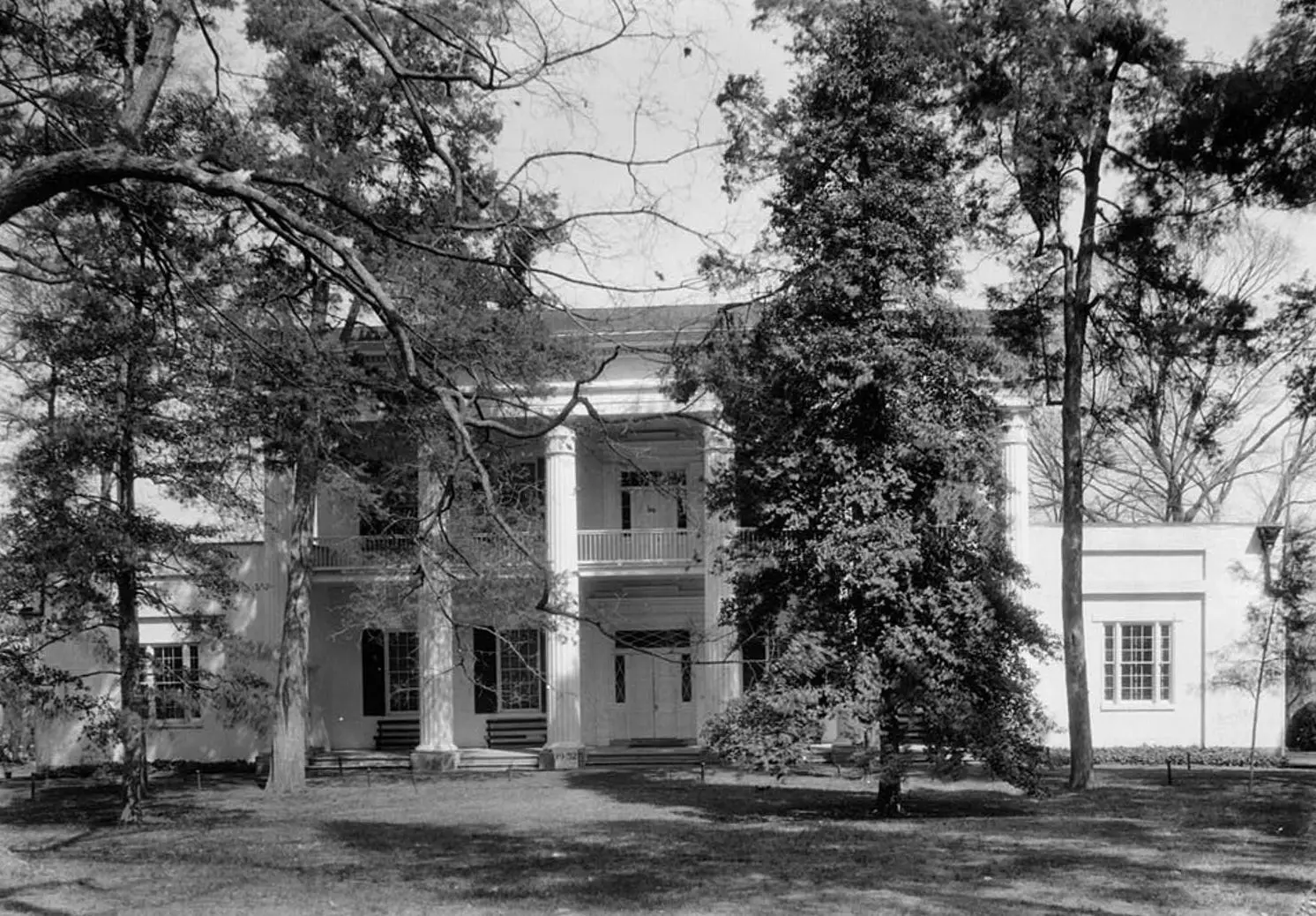

Find museums in a particular state.
States with museums (20)
States without museums listings (yet)
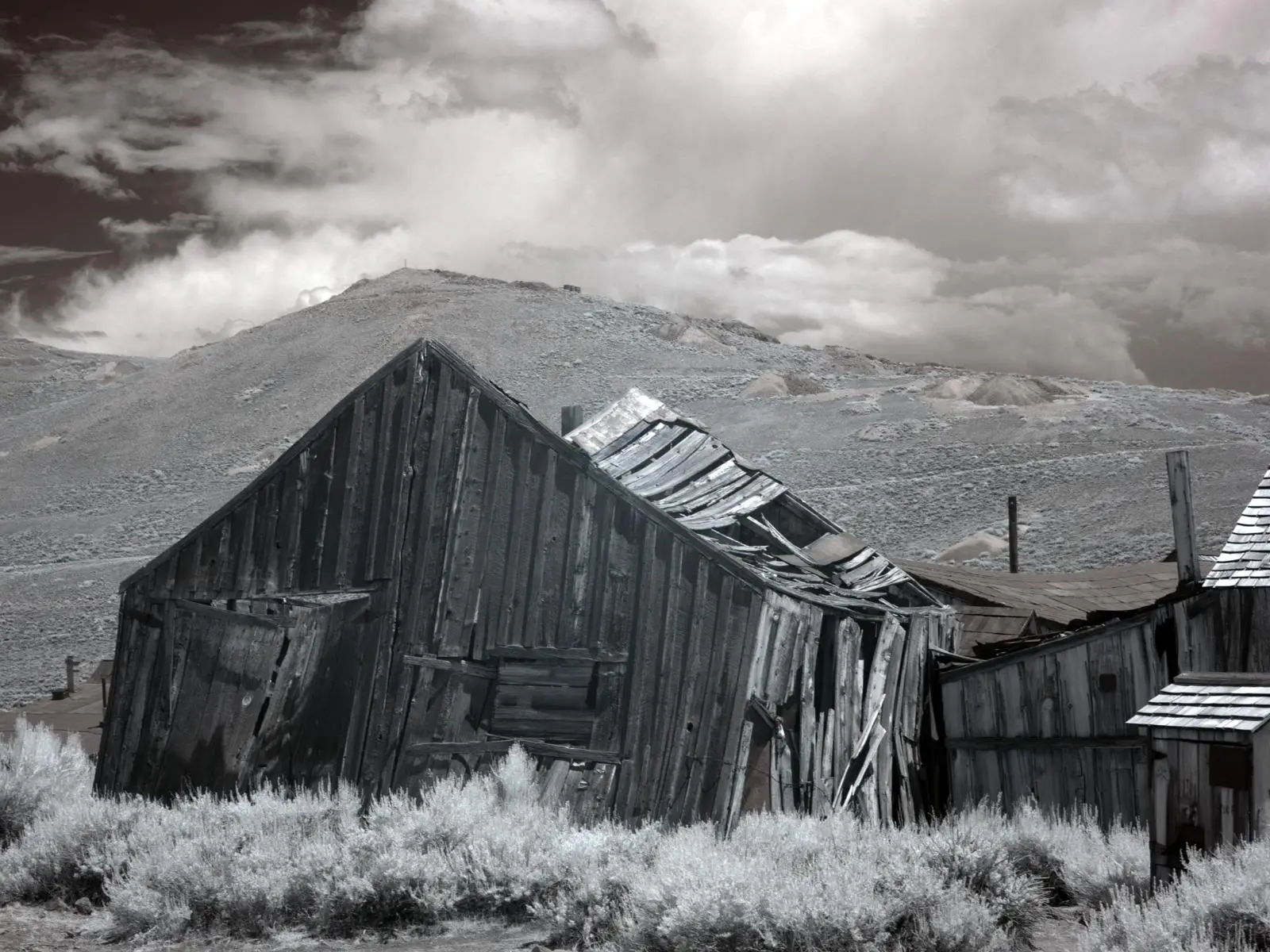
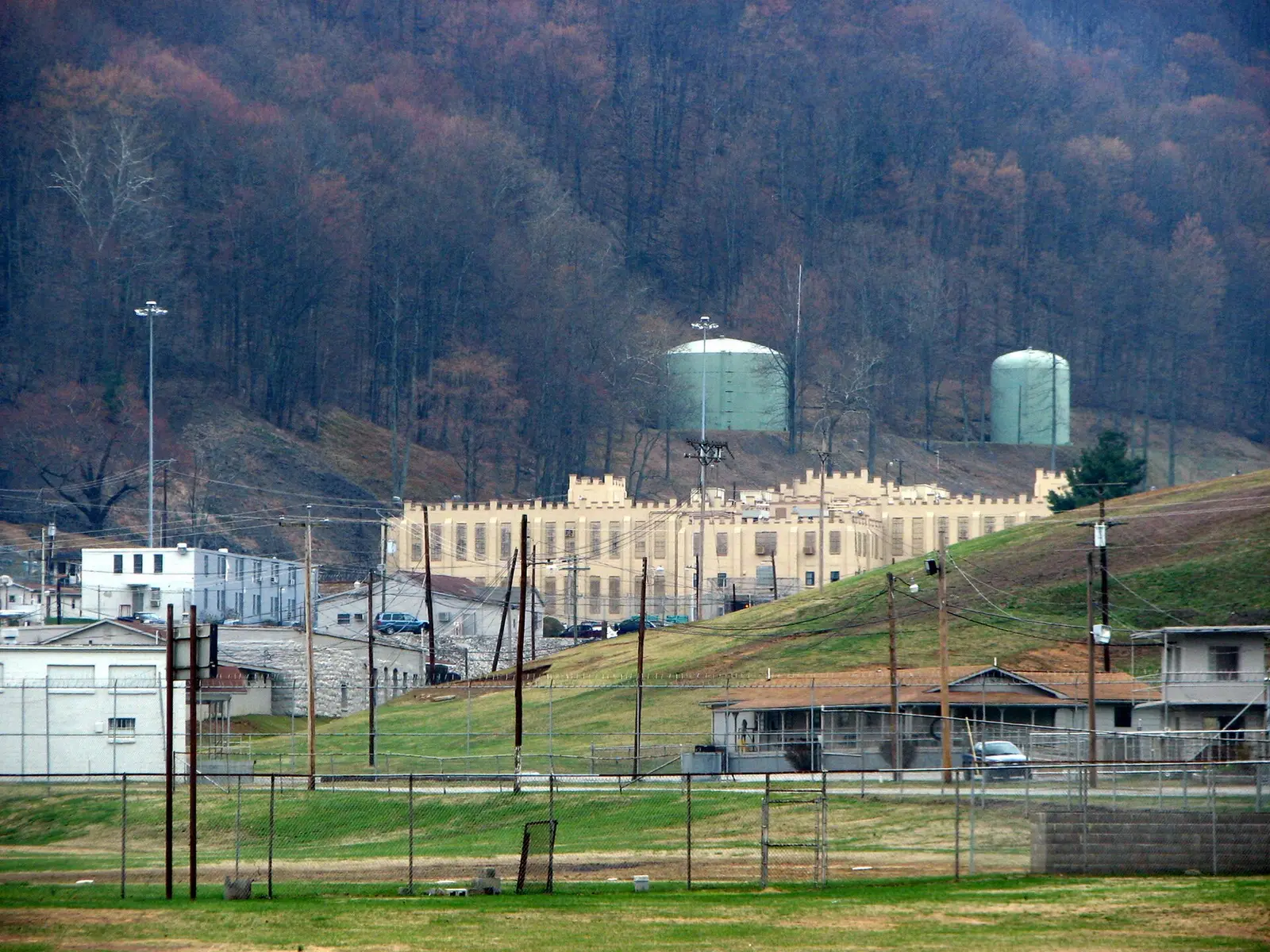
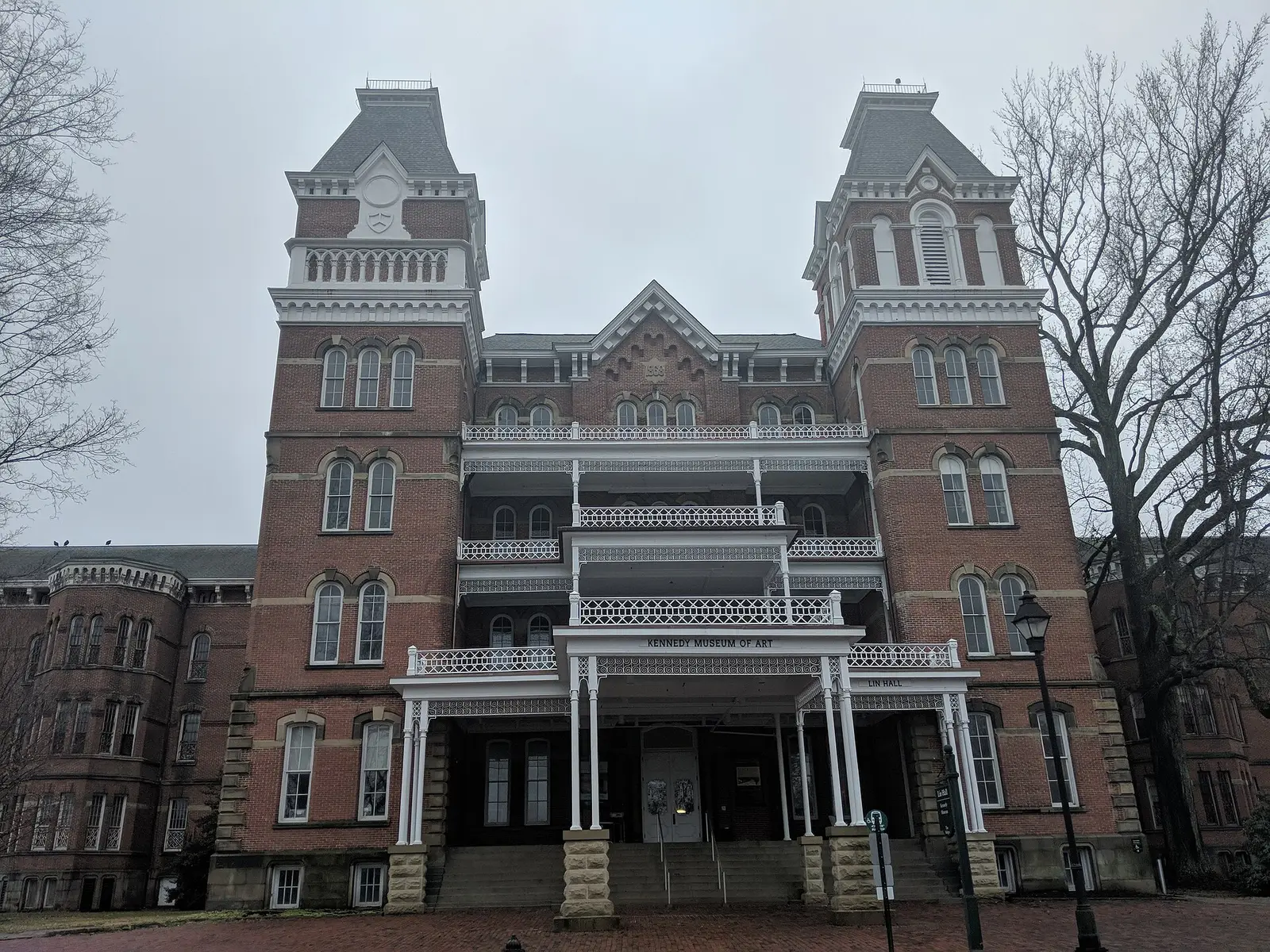
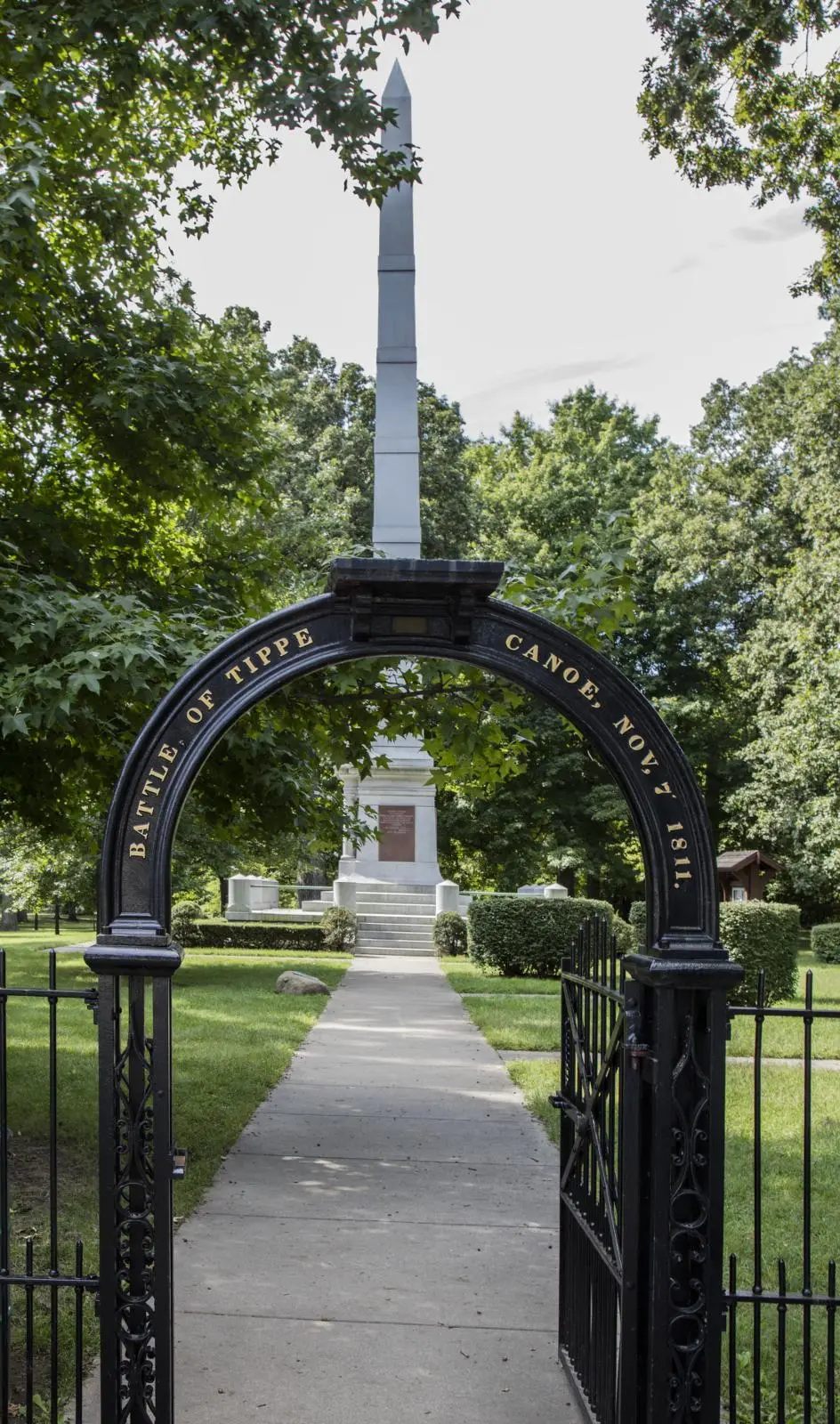
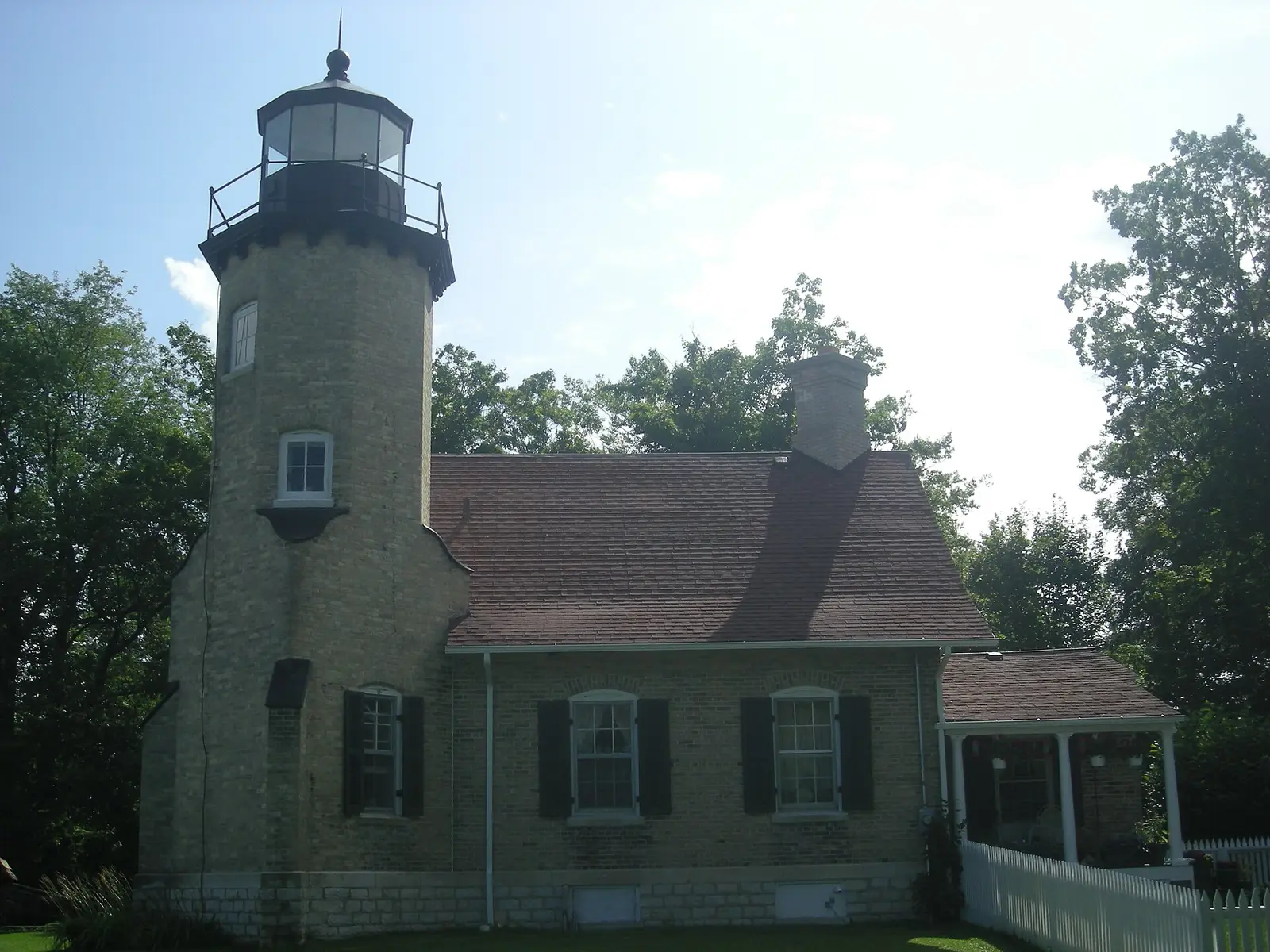
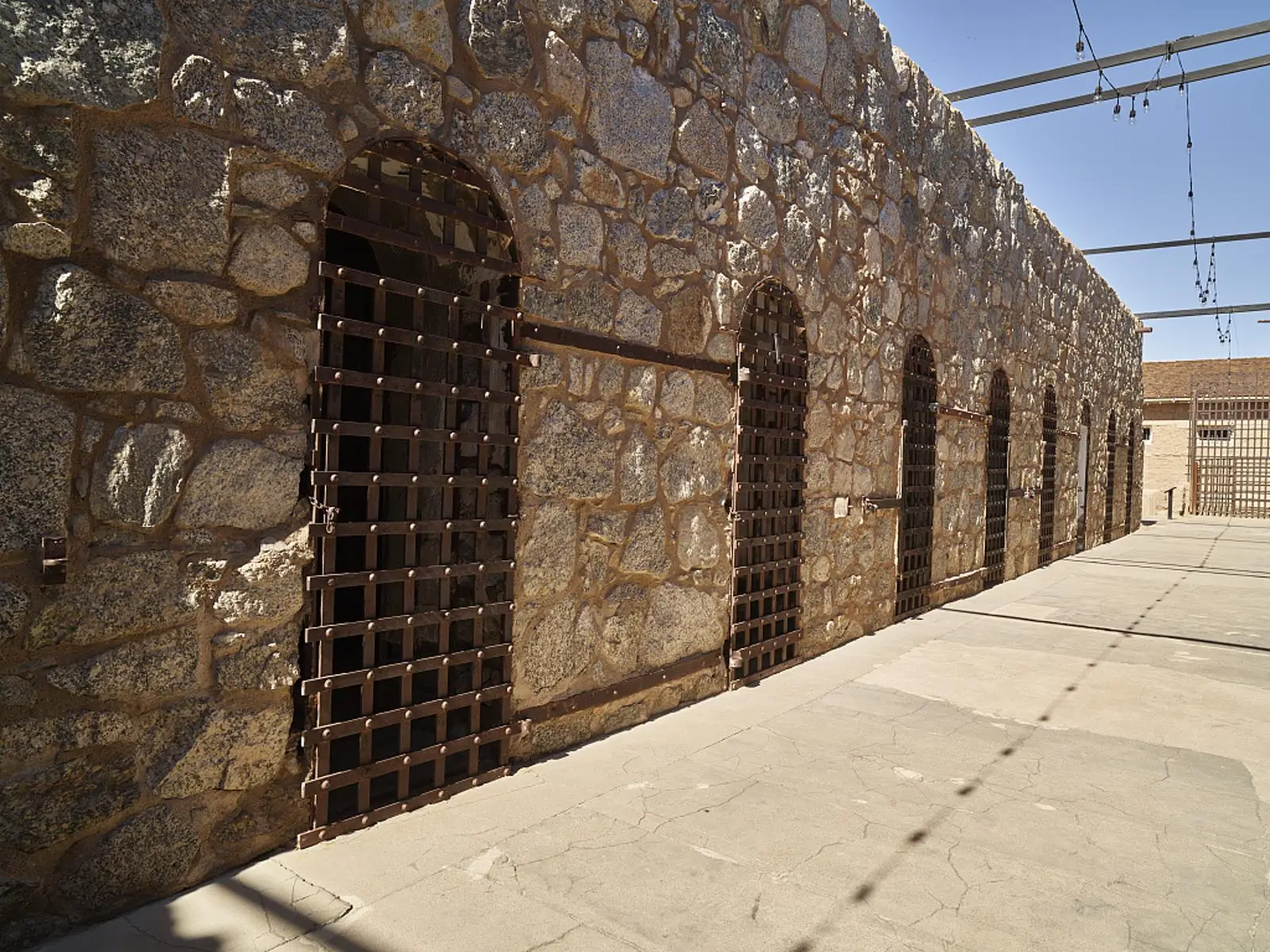
Our museums are a mixed group, because many kinds of place have become museums: house museums, forts, prisons, lighthouses, battlefields, a psychiatric hospital building, a gold-rush ghost town and a World War II aircraft carrier. Most were something else first, and their stories usually belong to that earlier life. This page gathers them all; the other types say more about each kind.
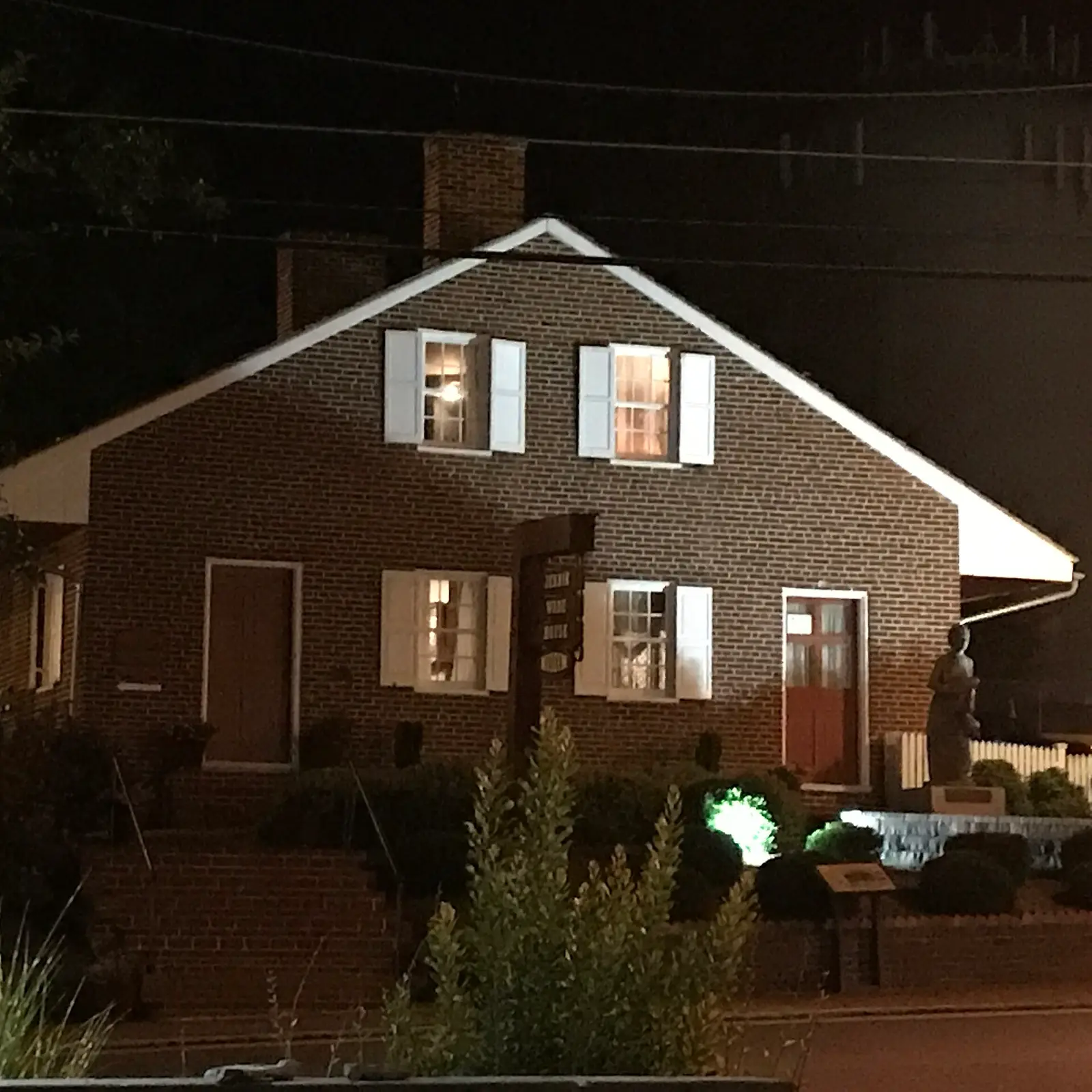
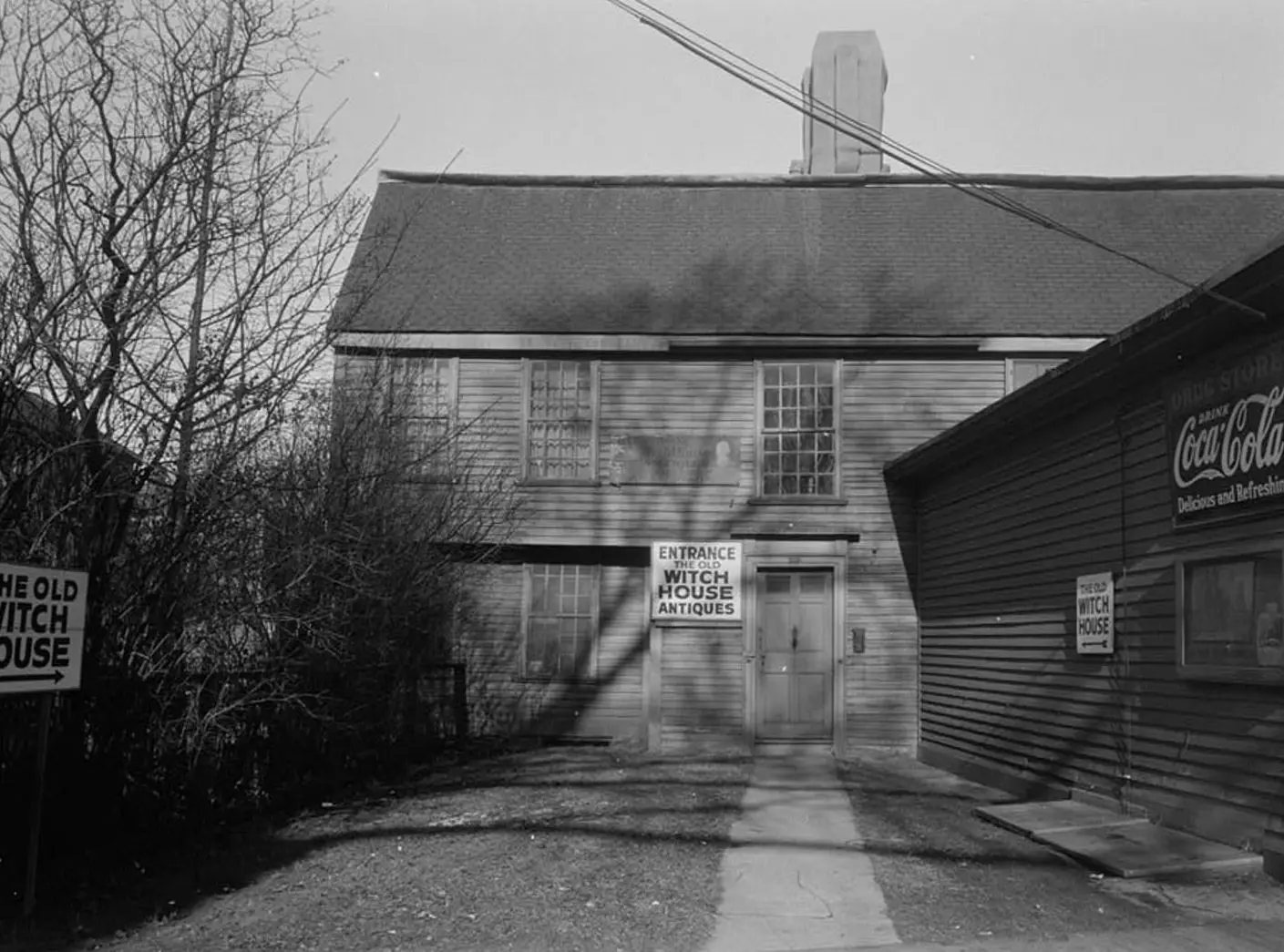
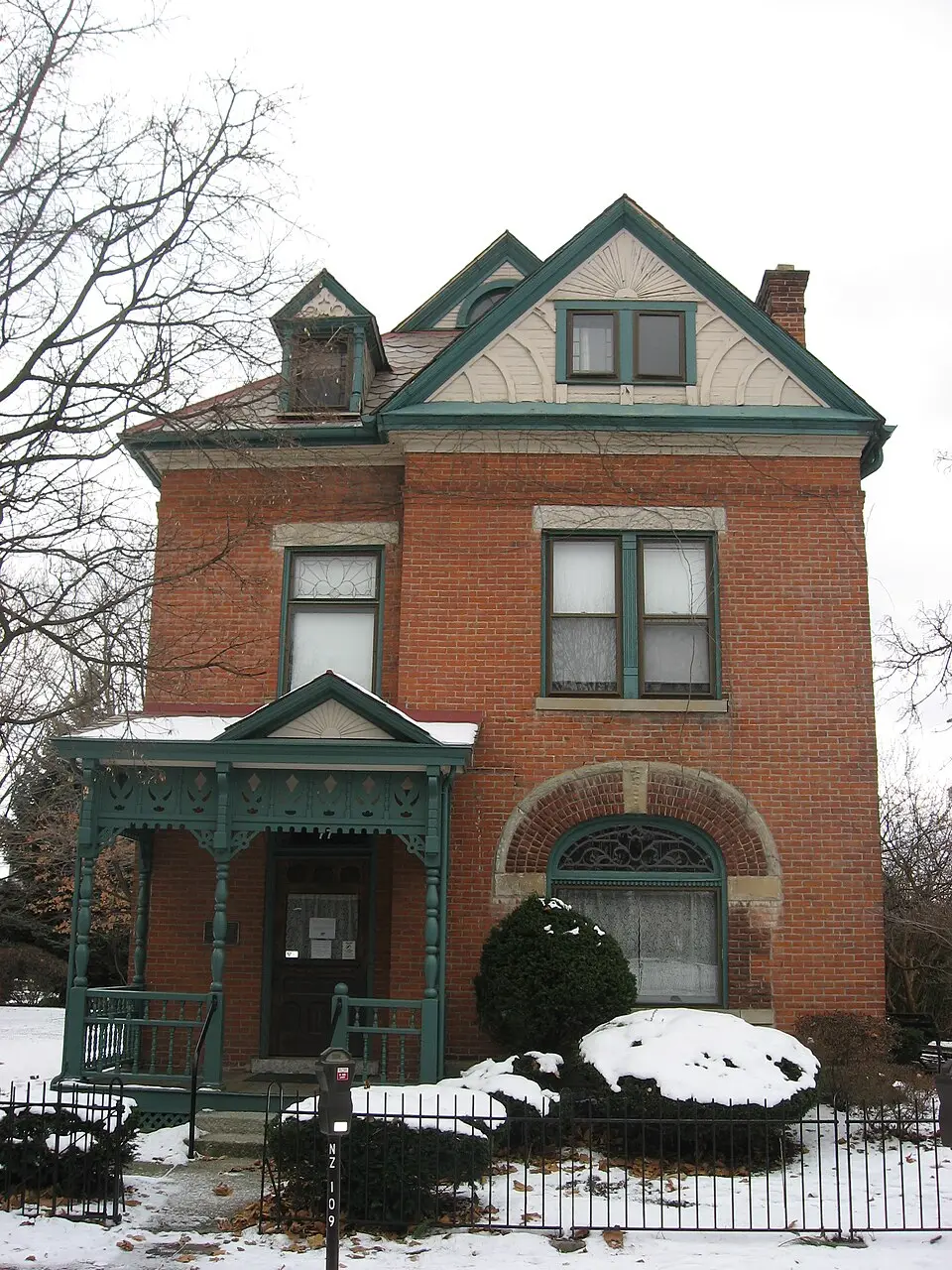
Museums often take a clear position on their own stories. The Witch House in Salem tells only its history, the New Orleans Pharmacy Museum says it has no evidence of the experiments its ghost story describes, and Thurber House says there is no evidence behind the stories about Thurber, which began with his own comic tale of 1933. At Bodie, the park says the famous curse was apparently invented by a ranger to stop theft, and the USS Lexington got its nickname, the Blue Ghost, from false Japanese claims of her sinking. Other museums sell ghost tours or rent their buildings for investigations, as the Glore Psychiatric Museum and the Jennie Wade House do.
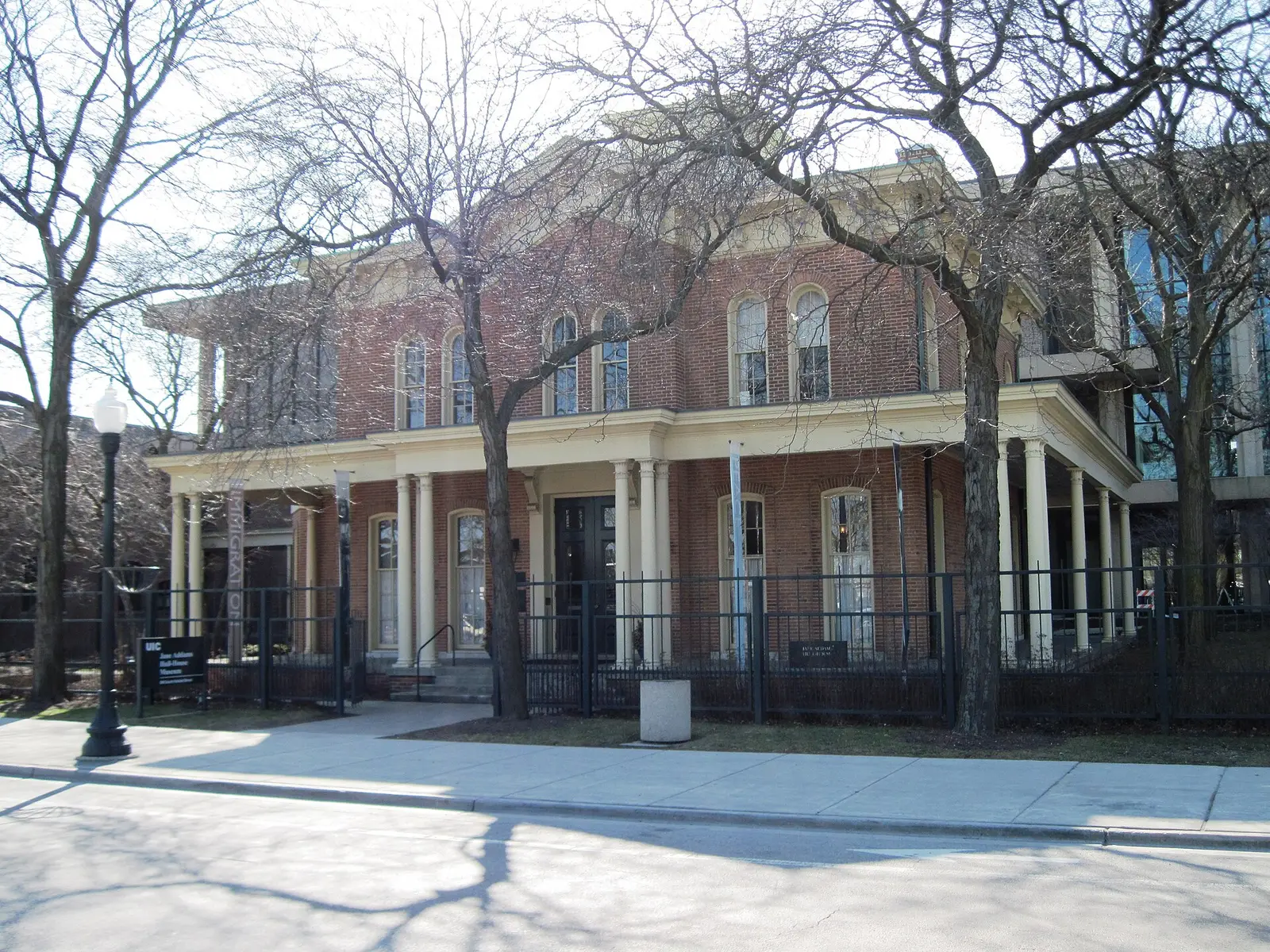
Where we found accounts, they most often come from staff, which we count as one origin, as at the Merchant's House Museum, where a caretaker spoke to The New York Times in 1953. At Jane Addams Hull-House the founder herself recorded the house's haunted-attic reputation in 1910. Fort Mifflin, which we rate Well Documented, has accounts from more named people than most sites.
Every place here is researched from historical records, published accounts and sources you can check, with a clear assessment of the evidence and its limits.
Our research methodology